How to Balance Packaging Cost and Quality for China Best Products?

Time:2026-08-23 Author:Madeline
0%

In the competitive landscape of product manufacturing in China, finding the right balance is crucial. Many businesses struggle with how to balance packaging cost and quality. This balance affects the overall perception of a product. High-quality packaging can enhance brand image and attract customers. However, excessive focus on quality can lead to inflated costs, impacting profit margins.

When examining cost-effective solutions, it’s important to consider various materials and techniques. For instance, a shift from traditional cardboard to eco-friendly alternatives might seem expensive initially. Yet, such choices can resonate with environmentally conscious consumers. This requires a deep understanding of market trends and consumer preferences.

Furthermore, businesses must recognize that cutting corners on packaging can have negative consequences. Poor packaging can result in damaged products, returns, and dissatisfied customers. Therefore, effective strategies should include ongoing evaluation and adjustments. Evaluating suppliers, materials, and design options will ensure that both cost and quality meet the desired standards. How to balance packaging cost and quality is a dynamic challenge, requiring continuous reflection and adaptation.
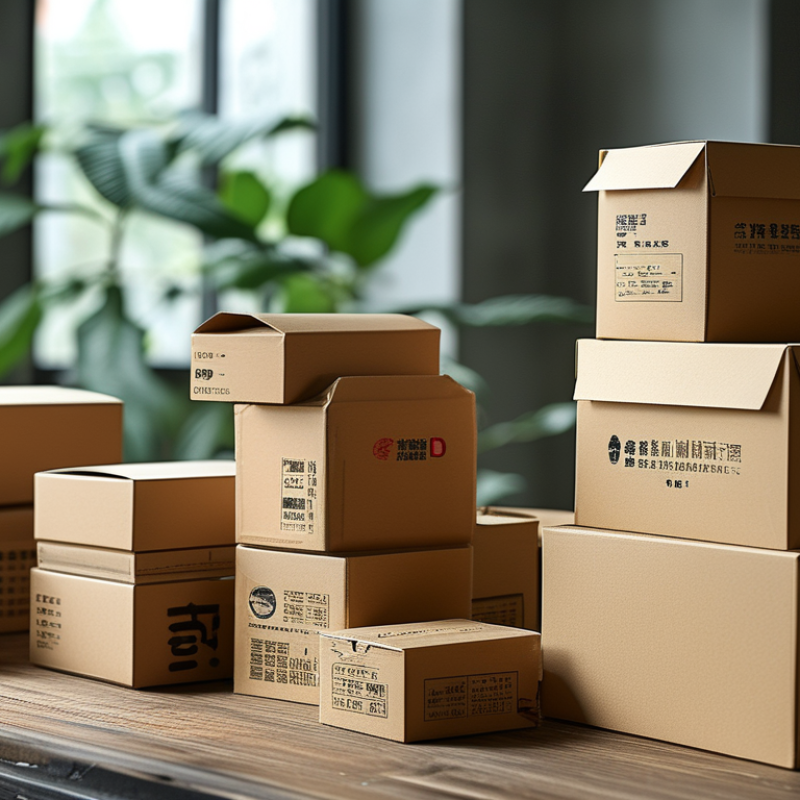
How to Balance Packaging Cost and Quality for China Best Products?

Understanding the Importance of Packaging in Product Quality and Cost

In the competitive market of China, packaging plays a crucial role in shaping product quality and cost. Industry reports indicate that nearly 70% of consumers judge a product’s quality based on its packaging. This statistic underscores the importance of effective packaging design. Quality packaging not only protects products during transit but also enhances customer perception. The right materials can reduce damage rates by up to 30%, ultimately cutting costs due to fewer returns.

Balancing cost and quality in packaging isn’t straightforward. Research shows that companies often allocate 10-30% of their total product cost to packaging. Using cheaper materials may save money upfront, yet it could lead to higher long-term losses due to dissatisfaction and returns. A study by Deloitte revealed that investing 5% more in packaging can lead to a 20% increase in customer loyalty. This highlights a paradox: a focus on cost-cutting can erode brand value over time.

Conversely, high-quality packaging requires investment and innovation. Many manufacturers face the challenge of integrating sustainable practices with cost efficiency. They're pressured to use eco-friendly materials while keeping profits intact. This balancing act leads to constant reflection on existing strategies, urging companies to rethink their packaging approaches. The interplay between cost and quality is a continuous process, affecting both brand reputation and consumer trust.

Analyzing Cost Factors in Packaging for Chinese Products

When analyzing cost factors in packaging for Chinese products, several key elements come into play. The choice of materials significantly impacts both quality and expenses. For instance, eco-friendly materials often cost more upfront but can enhance brand reputation. This kind of packaging can attract environmentally conscious consumers, enhancing marketability. On the other hand, cheaper materials might lower immediate costs but can lead to higher returns due to damages. This trade-off is crucial for maintaining a balance.

Labor costs in China also influence packaging expenses. Automation can reduce costs but requires substantial initial investment. Businesses often have to weigh the benefits of long-term savings against the high costs of machinery. Moreover, poor workmanship can result in significant losses. This reality raises questions about the quality assurance processes in place. Employing skilled workers can drive up costs but may be necessary for maintaining higher quality standards. Balancing these factors demands a strategic approach. Each decision should reflect the company’s positioning and long-term goals. Consideration of logistics and supply chain efficiency is also vital.

How to Balance Packaging Cost and Quality for China Best Products? - Analyzing Cost Factors in Packaging for Chinese Products

Packaging Type Cost per Unit ($) Quality Rating (out of 10) Durability (days) Sustainability Rating (out of 5)
Cardboard Box 0.50 8 30 4
Plastic Wrap 0.30 7 15 2
Glass Container 1.20 9 60 3
Metal Tin 1.00 8 45 4
Eco-Friendly Bag 0.80 9 25 5

Evaluating Quality Standards in Packaging for Global Markets

Packaging is a critical factor in product success, especially for global markets. The right balance between cost and quality is essential. Recent studies reveal that 72% of consumers consider packaging quality when making purchasing decisions. This indicates the vital role packaging plays in brand perception and product value.

Maintaining high quality while controlling costs can be challenging. Many companies resort to cheaper materials, risking damage and product integrity. A survey found that 68% of products with low-quality packaging were returned by dissatisfied customers. To avoid these pitfalls, companies must evaluate and uphold international quality standards. Look for certifications that align with target markets to enhance credibility.

Choose suppliers wisely. An experienced supplier understands global packaging standards and can offer insights into cost-effective materials. Regularly review packaging practices to identify areas for improvement. Consider sustainable options to appeal to environmentally-conscious consumers. Implementing quality assurance processes can help mitigate risk and ensure compliance with industry regulations.

Strategies to Optimize Packaging for Cost Efficiency and Quality

Packaging plays a crucial role in product presentation and protection. However, balancing cost and quality is essential for businesses in China. Research indicates that companies can save up to 30% on packaging costs by optimizing their materials and processes. Yet, reducing costs should not compromise product integrity or consumer safety.

One effective strategy is to utilize lightweight materials. For instance, using thinner cardboard can reduce shipping costs significantly, with studies showing a potential reduction in transportation expenses by about 20%. Additionally, integrating eco-friendly packaging can enhance brand image. A survey indicated that 70% of consumers prefer sustainable packaging options. Implementing recycled materials can also minimize production costs in the long run.

Continuous evaluation and improvement are vital. Monitor packaging performance regularly. Gather consumer feedback to understand areas of improvement. Packaging that damages products or fails to appeal to customers can lead to significant losses. Additionally, consider investing in technology to streamline production processes. Automation can enhance efficiency and reduce labor costs, ultimately improving profit margins. Engaging in cost-benefit analysis regularly helps maintain the right balance between quality and expenditure.

Case Studies: Successful Balancing of Cost and Quality in China

Balancing packaging cost and quality is a challenge for many businesses in China. A notable case involves a local manufacturer of consumer electronics. They faced pressure to reduce costs while maintaining high product quality. Compromising on packaging, they noticed an increase in damaged goods. This led to higher returns and a damaged brand image. The company had to rethink their strategy.

Another example comes from a food packaging company. They experimented with biodegradable materials to cut costs and improve sustainability. However, initial trials showed that packaging durability was compromised. Some products spoiled during transportation. This experience prompted them to invest in R&D. Over time, they developed a cost-effective solution that preserved product integrity and met eco-friendly goals.

These cases highlight the importance of learning from mistakes. Companies must balance affordability with quality. It’s clear that investing in the right packaging can prevent larger issues. Additionally, engaging with customers to understand their needs is essential. Quality perception is influenced by packaging. Thus, effective communication can enhance brand value while keeping costs manageable.

Balancing Packaging Cost and Quality in China

FAQS

: Why is packaging important in product quality?

: Packaging greatly influences consumers' perception of product quality. Nearly 70% judge quality based on packaging alone.

How does packaging impact costs?

Effective packaging can reduce damage rates by up to 30%, leading to fewer returns and lower overall costs.

What is the cost percentage typically allocated to packaging?

Companies often allocate 10-30% of total product costs to packaging, balancing quality with expenses in complex ways.

Can cheaper packaging materials save money?

While cheaper materials may lower upfront costs, they can lead to higher long-term losses due to product dissatisfaction and returns.

How can investing in packaging boost customer loyalty?

Increasing packaging investment by just 5% can yield up to a 20% rise in customer loyalty, reinforcing brand value.

What challenges do manufacturers face in sustainable packaging?

Companies struggle to use eco-friendly materials while maintaining profit margins, often needing to rethink their packaging strategies.

How do labor costs affect packaging decisions?

Labor costs influence packaging expenses, with automation offering long-term savings but requiring significant initial investment.

Why is quality assurance crucial in packaging?

Poor workmanship can lead to losses. Investing in skilled labor helps maintain higher quality standards and reduces errors.

What lessons can companies learn from packaging mistakes?

Companies must reflect on past errors to balance cost and quality, as these issues can significantly impact brand image and customer trust.

How can customer engagement improve packaging strategies?

Engaging customers helps understand their needs better, ensuring packaging meets expectations and enhances brand value.

Conclusion

Effective packaging plays a vital role in determining both the quality of products and their associated costs, particularly in the context of Chinese manufacturing. Understanding how to balance packaging cost and quality is essential for companies aiming to compete in global markets. This involves a careful analysis of the various cost factors that influence packaging decisions, as well as adherence to quality standards that satisfy international consumers.

To achieve this balance, organizations can implement strategies that optimize packaging processes for cost efficiency without compromising quality. Case studies demonstrate successful examples of companies that have effectively managed packaging costs while maintaining high standards, highlighting practical approaches and innovative solutions. Ultimately, fostering a deep understanding of the relationship between packaging cost and quality can lead to improved product appeal and market success.

Madeline

Madeline

Madeline is a dedicated marketing professional with a wealth of expertise in our company's core offerings. With a keen understanding of the industry, she brings a unique perspective to her role, consistently delivering high-quality content that highlights the superior aspects of our products. As......