In the competitive arena of luxury brands, what makes luxury packaging important for brands is a topic of growing relevance. According to recent studies, 72% of consumers believe that packaging design influences their purchasing decisions. This statistic underscores the significant role luxury packaging plays in consumer perception and brand identity. It can evoke emotions, create allure, and establish a sense of exclusivity that resonates with target audiences.
Luxury packaging also serves a functional purpose. Research indicates that 65% of consumers are willing to pay more for products that are packaged elegantly. This shift towards premium packaging reflects a consumer preference for not just the product itself but the entire brand experience. Brands must carefully consider elements like materials, textures, and even the unboxing experience, as these factors can enhance perceived value.
However, brands must also navigate challenges. Over-packaging can lead to sustainability concerns, as consumers increasingly favor environmentally friendly practices. Balancing opulence with responsibility is a delicate task. In conclusion, while luxury packaging can significantly enhance brand appeal, brands must continually assess their strategies to meet evolving consumer expectations and ensure genuine value in their offerings.
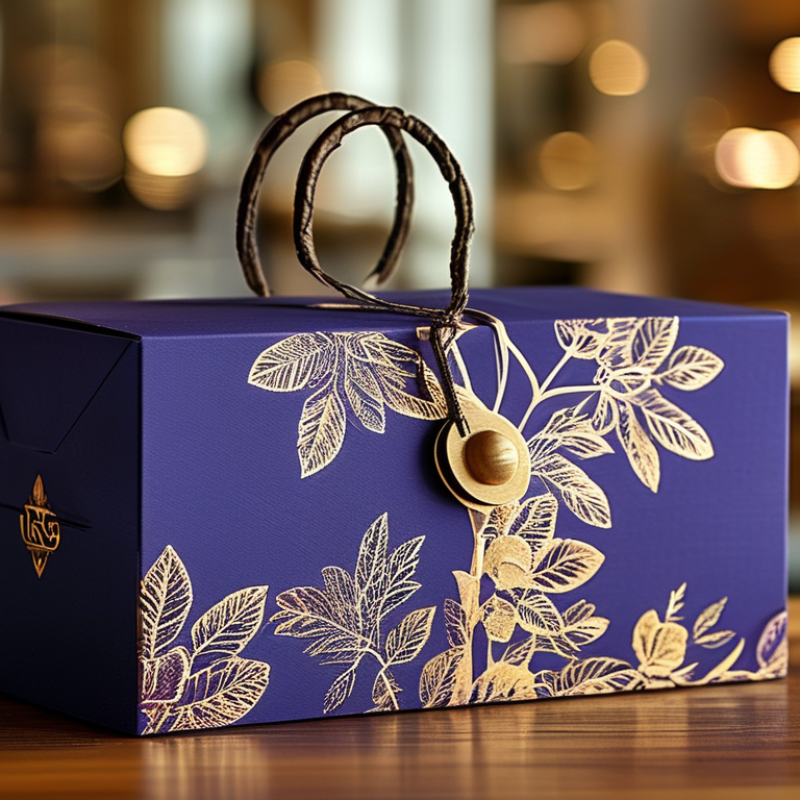
Luxury packaging plays a pivotal role in brand identity and consumer perception. This type of packaging is not just about aesthetics; it conveys a message of quality and exclusivity. According to a report by Smithers Pira, the global luxury packaging market is projected to reach $40 billion by 2026. This growth indicates a strong shift towards premium packaging solutions that enhance consumer experience.
Key characteristics of luxury packaging include the use of high-quality materials, intricate designs, and eco-friendly options. Papers with unique textures and finishes often elevate a product's presence on the shelf. Moreover, packaging that emphasizes sustainability can attract environmentally conscious consumers. A study by Nielsen found that 73% of millennials are willing to pay more for sustainable products. This reflects a broader trend where luxury packaging must also align with consumer values.
Yet, the pursuit of luxury packaging is not without its challenges. Brands need to balance costs with consumer expectations. Overly elaborate packaging can lead to increased production costs and waste. Reflecting on these aspects, brands must innovate while remaining cognizant of their ecological footprint. How can they ensure their packaging reflects true luxury without compromising sustainability? This question remains crucial as the market evolves.
Luxury packaging plays a crucial role in shaping brand identity and image. It goes beyond aesthetics; it communicates values and aspirations. The choice of materials, colors, and textures can evoke emotions. A tactile experience can leave a lasting impression. This connection enhances customer loyalty.
Brands often struggle to find the right balance. Overspending on elaborate designs can lead to waste. Meanwhile, underwhelming packaging may fail to attract attention. Each element must reflect the brand's essence. Consumers judge a brand partly based on packaging quality. They associate luxury items with premium design.
Packaging can tell a story. It may convey sustainability, craftsmanship, or innovation. A well-designed package invites curiosity and engagement. It can differentiate a product in a crowded market. However, brands must avoid overcomplicating the design. Simplicity can also signify luxury. The challenge lies in creating meaningful connections while ensuring functionality.
This chart illustrates the importance of luxury packaging across various aspects of brand identity and image. Each aspect is rated on a scale from 1 to 10, highlighting how crucial luxury packaging is in shaping customer perceptions and market differentiation.
Luxury packaging has become a significant factor in shaping consumer perception. A study by the Packaging Association reveals that 70% of consumers believe that packaging quality influences their buying choices. When products are presented in elegant and attractive packaging, they evoke feelings of indulgence. This emotional connection can drive impulse purchases, particularly in high-end markets.
Research indicates that consumers are willing to pay more for products with luxurious packaging. A report from MarketWatch suggests that 55% of consumers associate packaging with product value. This perception is powerful. The right packaging can elevate the status of a product, making it feel exclusive. However, brands need to be cautious. There's a fine line between luxury and overindulgence. Excessive packaging can lead to consumer backlash, especially among environmentally conscious buyers.
Moreover, the tactile experience contributes to consumer satisfaction. According to a recent survey by Mintel, 44% of shoppers prefer softer, textured packaging over rigid materials. This preference highlights the importance of sensory engagement. Brands must carefully consider their packaging choices. Striking the right balance between luxury appeal and practicality can create lasting impressions on consumers.
Sustainability trends are reshaping luxury packaging. Brands now face the challenge of balancing aesthetics with ethical considerations. Elegant designs must also reflect environmental responsibility. Consumers are increasingly aware of their choices. They demand packaging that not only looks good but is also eco-friendly.
Materials play a vital role in sustainability. Recycled and biodegradable options are gaining popularity. Yet, the quest for perfect materials often leads to compromises. Many brands struggle with the availability of sustainable materials that still meet luxury standards. This gap highlights a crucial reflection point in the industry. Can brands elevate their image while contributing positively to the environment?
The intricacies of luxury packaging require careful thought. Design should not just allure consumers; it should encourage mindful consumption. Beautiful packaging can captivate the eye, yet it must also tell a story of sustainability. In this evolving landscape, brands need to explore innovative solutions. The path to true luxury lies in harmonizing beauty with the greater good. This presents both an opportunity and a challenge for future developments in luxury packaging.
| Packaging Type | Sustainability Rating | Aesthetic Appeal Score | Cost Per Unit | Market Share Percentage |
|---|---|---|---|---|
| Recycled Paper | 9.5 | 8.0 | $0.50 | 25% |
| Biodegradable Plastics | 8.0 | 7.5 | $0.75 | 15% |
| Glass | 9.0 | 9.5 | $1.50 | 20% |
| Metal | 8.5 | 9.0 | $2.00 | 10% |
| Plant-Based Polymers | 9.2 | 8.8 | $1.00 | 12% |
Luxury packaging is evolving rapidly, driven by innovation and sustainability. In 2023, 60% of luxury brands indicated a shift towards eco-friendly materials, according to the Luxe Pack Report. This trend reflects a growing consumer preference for sustainable options. Brands that embrace these values often enjoy increased customer loyalty.
Custom designs play a crucial role in luxury packaging. Personalized touches can enhance the unboxing experience, making it memorable. A study from Smithers Pira revealed that 70% of consumers are willing to pay more for unique designs. This shows that creative packaging can lead to higher sales and brand value. However, brands need to balance uniqueness with practicality. Overly intricate designs may confuse consumers.
**Tips for Effective Luxury Packaging:**
Invest in high-quality materials to convey a sense of premium value. Consider incorporating interactive elements, which can engage and surprise consumers. Continuously gather feedback to refine packaging based on consumer experience. Remember, a well-designed package can either elevate or diminish brand perception.
: Luxury packaging is about conveying quality and exclusivity. It enhances brand identity.
It shapes consumer perception and significantly influences buying behavior.
High-quality materials, unique textures, and eco-friendly options are commonly utilized.
Sustainable packaging attracts environmentally conscious consumers. Many are willing to pay more for it.
Brands must balance costs with consumer expectations. Overly elaborate designs may increase waste and expenses.
Elegant packaging evokes indulgence and can drive impulse purchases. This perception boosts product value.
Many shoppers favor softer and textured packaging over rigid options. This enhances their overall experience.
Yes, it can cause backlash, especially from eco-conscious consumers. A balance is crucial.
Brands should focus on sustainability while maintaining luxury appeal. Creativity is vital in this evolving market.
Beautiful packaging fosters feelings of exclusivity, influencing buying choices significantly.
Luxury packaging plays a pivotal role in defining a brand's identity and image. It is characterized by high-quality materials, intricate designs, and a focus on craftsmanship, which collectively enhance the overall consumer experience. Understanding what makes luxury packaging important for brands involves recognizing its impact on consumer perception and buying behavior. Well-executed luxury packaging not only attracts attention but also builds emotional connections, thereby influencing purchasing decisions.
Additionally, sustainability trends are reshaping the luxury packaging landscape, as brands strive to balance aesthetics with ethical practices. Innovations in materials and design are emerging, highlighting the industry's response to changing consumer preferences toward environmentally friendly options. Overall, luxury packaging serves as a vital tool for brands to differentiate themselves, convey their values, and foster loyalty among discerning consumers.

Nerd Package