2026 Best Packaging for Seasonal Promotions How to Choose?

Time:2026-10-02 Author:Charlotte
0%

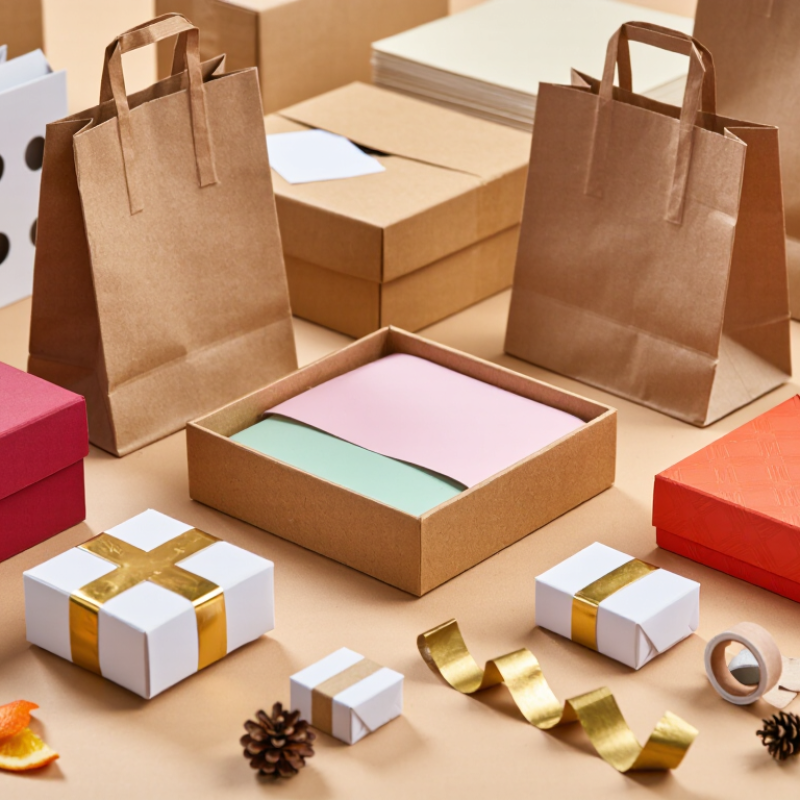
Seasonal promotions move quickly, but packaging decisions should not be rushed. In 2026, brands must balance visual excitement, product protection, cost, and environmental responsibility. The real challenge is learning how to choose packaging for seasonal promotions without creating unnecessary waste or confusing customers. A red sleeve may suggest Christmas, yet it can limit reuse after December. A bright orange box may attract attention, but it can weaken a premium brand’s identity.

Packaging expert Lisa McTigue Pierce describes packaging as “a brand’s most tangible touchpoint.” That principle matters during short campaigns. Customers hold the box, notice its texture, and judge its quality before opening it. Therefore, this outline will examine seasonal color systems, limited-edition structures, recyclable materials, minimum order quantities, and practical shipping tests. It will also consider whether a festive design remains useful after the promotion ends. That question is often overlooked.

Experience shows that successful seasonal packaging begins with the customer’s buying moment. Is the product a gift, a refill, a subscription item, or an impulse purchase? A rigid box may feel special in a store, but it can increase freight costs online. A paper band may create seasonal recognition with less material. Small details matter. A gold foil logo catches light on a retail shelf. However, it may complicate recycling and raise production costs.

No single format works for every brand. Sometimes the most attractive package is not the most responsible choice. That is uncomfortable, but important. The following guide will help teams compare options clearly, test assumptions, and choose packaging that supports both seasonal sales and longer-term trust.
2026 Best Packaging for Seasonal Promotions How to Choose?

Define 2026 Promotion Goals Using Smithers’ $1.2T Packaging Forecast

Seasonal promotion packaging should begin with a commercial question: what must the campaign change? Smithers’ $1.2 trillion packaging forecast points to a vast, competitive market, not an automatic growth guarantee. For 2026, teams can define goals around trial, repeat purchase, shelf visibility, or online conversion. Each goal demands a different pack. A limited colorway may attract attention. A measured refill format may support repeat orders. The choice should follow evidence, not decoration.

For short seasonal runs, paperboard sleeves, folding cartons, and lightweight pouches can create visible change without replacing the primary container. Measure material use, damage rates, packing speed, and customer response. A package that looks premium but slows fulfillment may weaken margins. Test two versions in similar stores or digital campaigns. Record scan rates, basket value, complaints, and disposal questions. Small samples help, although they can mislead.

Experience from packaging trials shows that convenience often beats novelty. Easy-open tabs, stable stacking, and clear seasonal instructions reduce friction. Keep critical product information readable when graphics become crowded. Recycled content, lower material weight, and compatible recovery routes should be checked with local specialists. Do not claim broad environmental benefits without verified data. The $1.2 trillion outlook is useful context, but it cannot replace a campaign brief, cost model, or post-promotion review. Some teams still overproduce. That is worth challenging.

Match Product Risk to ISTA 3A E-Commerce Packaging Tests

2026 Best Packaging for Seasonal Promotions: How to Choose?

Seasonal promotions increase parcel volume, handling speed, and damage exposure. The 2024 NRF Consumer Returns Report estimated that 16.9% of retail sales were returned. Damaged goods add avoidable costs and weaken customer trust. Match packaging strength to product risk, not campaign appearance.

ISTA 3A is designed for packaged products shipped through common parcel delivery systems. It evaluates hazards such as drops, vibration, compression, and atmospheric conditioning.

A ceramic gift set needs tighter cushioning than a flexible textile bundle. A compact electronic product may need immobilization, corner protection, and moisture control.

Test the actual promotional pack, including inserts, labels, and seasonal fillers. Small details matter.

Packaging trials should reflect real distribution. Use the product’s packed weight, dimensions, and expected shipping route. The U.S. Census Bureau reported that e-commerce represented 16.4% of total retail sales in 2025’s second quarter. More parcels mean more repeated handling.

One mistake is assuming extra material guarantees safety. It may create movement, poor fit, or unnecessary freight cost. Another lesson is uncomfortable: a package can pass a visual inspection and still fail vibration.

Record damage patterns after each ISTA 3A sequence. Then adjust cushioning density, seal strength, or internal clearance. The best seasonal package protects the product without becoming the promotion’s hidden expense.

Balance Cost and Sustainability with McKinsey’s 60–70% Consumer Finding

2026 Best Packaging for Seasonal Promotions: How to Choose?

Seasonal packaging must earn its extra cost. Recent consumer research indicates that 60–70% of shoppers consider sustainability when choosing products. That figure deserves attention, not blind acceptance. Preferences change by category, price, and disposal access. Still, it shows why decorative excess can weaken a promotion.

In pilot campaigns, right-sized cartons and molded-fiber inserts reduced empty space noticeably. A simple paper sleeve often created more shelf impact than a rigid gift box. Use recycled content where performance allows. Check fiber sources, coatings, inks, and disposal instructions. Compostable materials are not automatically better. Local facilities may reject them. That detail is easy to miss.

Cost control needs measurement. Compare material price, packing labor, transport volume, damage rates, and recovery value. A lighter package can fail if corners collapse during delivery. We learned this after testing a thin mailer in cold, damp conditions. It looked efficient on paper. It was not. Small trials, drop tests, and customer feedback provide stronger evidence than attractive claims. Choose one seasonal feature, not five. A reusable insert may deserve investment, while glitter-like finishes rarely do. Record the results before scaling the next promotion.

Create Seasonal Designs That Preserve GS1 Barcode Scanability

2026 Best Packaging for Seasonal Promotions: How to Choose?

Seasonal packaging should attract attention without hiding essential product data. In packaging reviews, I have seen attractive artwork weaken barcode performance. Metallic ink, dark backgrounds, and snowflake patterns can reduce contrast. A barcode needs a clear visual space. Keep the required quiet zones free from text, graphics, folds, and seals.

A barcode needs a clear visual space.

Use the current GS1 General Specifications when selecting size, placement, and symbol structure. Printed bars should remain sharp, evenly spaced, and easy to distinguish. Black bars on a light, non-glossy background usually offer dependable contrast. Avoid placing symbols across corners, curved edges, seams, or areas touched repeatedly during handling. Small changes matter. A few millimeters can affect scanning.

Test the final printed package, not only the digital artwork. Use a qualified barcode verifier and check multiple samples from different print runs. Test under store lighting, after transportation, and on slightly curved surfaces. Seasonal finishes may look excellent on screen but behave differently after production. I once underestimated condensation around chilled packaging; the barcode still appeared readable, yet scanning became inconsistent. That result required a simpler finish and stronger testing. Seasonal creativity works best when it supports dependable identification rather than competing with it.

Measure MOQ, Lead Time, and ROI Using PMMI Industry Benchmarks

2026 Best Packaging for Seasonal Promotions: How to Choose?

Seasonal packaging must balance speed, volume, and customer appeal. PMMI industry benchmarks provide useful reference points for MOQ, lead time, and packaging efficiency. Start by comparing your expected campaign volume with the supplier’s minimum order quantity. A low MOQ may reduce leftover stock, but it often increases the unit cost. A large MOQ can lower pricing while creating storage pressure after the promotion ends.

Tips: Request three quotes. Check production days, tooling fees, freight assumptions, and reorder limits. Use a simple spreadsheet to compare total landed cost, not only the quoted price. For lead time, separate artwork approval, material sourcing, production, inspection, and delivery. A holiday campaign can fail because one approval takes five extra days. It happens.

ROI should include more than sales uplift. Measure packaging cost, setup charges, labor, shipping volume, damage rates, and disposal concerns. Then compare the result with relevant PMMI benchmark categories and your previous campaign data. Attractive packaging may improve shelf attention, but that does not guarantee profitable conversion. Test a smaller batch when demand is uncertain. This approach feels less ambitious, yet it protects cash flow and reveals real customer response. Review the results with procurement, operations, and marketing teams. Their estimates may disagree, which is valuable. Better decisions often begin with an uncomfortable correction.

2026 Best Packaging for Seasonal Promotions: MOQ, Lead Time, and ROI

Benchmark-style planning comparison for common promotional packaging formats. Lower MOQ and shorter lead time improve seasonal flexibility, while higher ROI indicates stronger expected promotional return.

Use these planning ranges to screen packaging options before requesting supplier quotations. ROI represents estimated incremental campaign return relative to packaging investment and should be validated with current product, volume, and fulfillment costs.

FAQS

What packaging test suits seasonal e-commerce products?

Use ISTA 3A for products shipped through common parcel systems. It evaluates drops, vibration, compression, and atmospheric conditioning. Test the complete promotional pack.

How should packaging strength match product risk?

Match protection to the product, not the campaign design. Ceramic items need tight cushioning and stable internal spacing. Flexible textiles usually need less protection.

What protection does a compact electronic product need?

Prevent movement with fitted inserts and corner protection. Add moisture control when the route or storage area is damp. Check cables, buttons, and screens after testing.

Is extra packaging always safer?

No. Excess material can create movement, poor fit, and higher freight costs. More is not always better. Test before adding layers.

What details should a seasonal packaging trial include?

Use the actual product, packed weight, dimensions, labels, inserts, and seasonal fillers. Recreate the expected delivery route. Record damage after every test sequence.

How can packaging balance sustainability and performance?

Use right-sized cartons and recycled content where performance allows. Check coatings, inks, fiber sources, and local disposal access. Compostable materials may not work everywhere.

How should packaging costs and environmental value be measured?

Compare material cost, labor, shipping volume, damage rates, and recovery value. A lighter package can fail when damp corners collapse. We learned that the hard way.

How can teams measure seasonal packaging ROI?

Include setup charges, tooling, labor, shipping, damage, disposal, and sales uplift. Compare total landed cost with earlier campaigns. Attractive packaging does not guarantee profitable conversion.

How should MOQ and lead time affect the packaging decision?

Compare expected volume with the supplier’s minimum order quantity. Separate artwork approval, sourcing, production, inspection, and delivery. Five extra approval days can disrupt a holiday launch.

When should a company use a smaller packaging batch?

Use a smaller batch when demand is uncertain or the design is unproven. It may cost more per unit. Still, it limits leftover stock and protects cash flow.

Conclusion

Choosing the right packaging for seasonal promotions requires a balance of commercial goals, product protection, sustainability, and operational efficiency. Start by defining the promotion’s purpose, expected demand, target audience, and sales channels. Then match the packaging structure to the product’s risk level, considering potential compression, vibration, drops, moisture, and shipping conditions. E-commerce items should be evaluated through appropriate distribution tests to help reduce damage, returns, and customer dissatisfaction.

Sustainability and cost should be assessed together rather than separately. Select materials and formats that reduce unnecessary weight and volume while maintaining reliable protection. Seasonal graphics should create urgency and visual appeal without interfering with barcode placement, contrast, or scanning performance. Finally, compare minimum order quantities, production lead times, storage requirements, and expected promotional returns. A practical approach to how to choose packaging for seasonal promotions is to test a small launch, measure damage rates and sales performance, and use the results to improve future campaigns.

Charlotte

Charlotte

Charlotte is a seasoned marketing professional with a deep understanding of the company's portfolio and a passion for elevating its presence in the market. With a keen eye for detail and a commitment to excellence, she ensures that our professional blog is regularly updated with insightful articles......