In the competitive world of product marketing, "how to create memorable product packaging" is crucial for success. Renowned packaging expert, Lisa Johnson, emphasizes, "Packaging should tell a story that engages customers emotionally." As brands strive to capture attention, effective packaging is no longer just an afterthought. It plays a vital role in customer experience and brand perception.
Memorable packaging combines functionality and aesthetics. It should reflect the brand’s values while being easy to use. In 2026, trends will likely push boundaries further. Eco-friendly materials and innovative designs will gain traction. However, many brands struggle to balance creativity with practicality. Some designs may look great but fail in usability.
Reflecting on the past, successful products often had simple, yet powerful packaging. Today, brands must ask critical questions. Does the design communicate the essence of the product? Will it resonate with an increasingly discerning audience? As we move forward, adapting to changing consumer preferences will be key in mastering "how to create memorable product packaging.
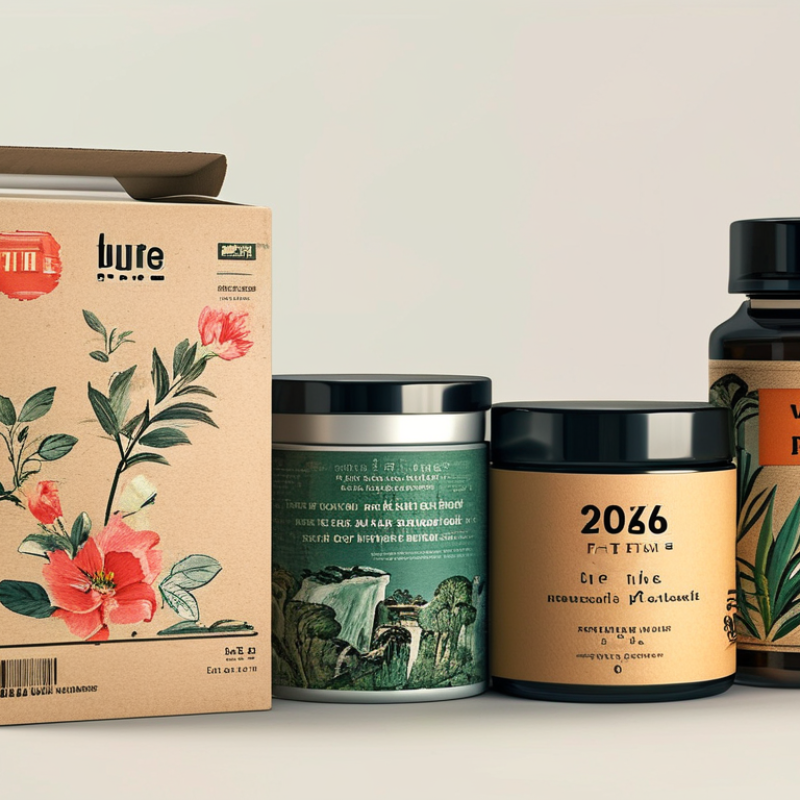
Memorable product packaging plays a crucial role in driving consumer decisions in 2026. Research indicates that 72% of consumers say packaging design influences their purchasing decisions. An appealing package not only attracts attention but also communicates brand values. Emphasizing sustainability has become essential. Nearly 70% of consumers prefer brands that prioritize eco-friendly materials.
Tips for effective packaging: Choose colors that evoke emotion. Colors can increase brand recognition by up to 80%. Incorporate tactile elements to enhance the sensory experience. People remember tactile experiences longer than visuals alone.
Authenticity matters. Consumers seek genuine connections with brands. Packages that tell a story create a bond with potential buyers. Yet, struggle exists in balancing creativity with clarity. Complex designs may confuse rather than attract. Brands need to reflect on whether their packaging truly resonates with their target audience. Engaging packaging must be both memorable and straightforward.
The packaging design landscape is evolving rapidly. Trends for 2026 indicate a distinct shift towards sustainability. According to a recent Nielsen report, 73% of global consumers are willing to pay extra for sustainable packaging. This demand is pressing brands to innovate. Eco-friendly materials, such as compostable plastics and recycled paper, will dominate the market. The challenge lies in maintaining aesthetic appeal while being environmentally conscious.
Additionally, personalization is becoming paramount. Research by Smithers Pira indicates that customized packaging can boost sales by up to 20%. Companies should focus on unique designs that resonate with target demographics. Incorporating local culture and heritage into packaging can create a strong emotional connection. Yet, it's crucial to avoid clichés and overdesigning that may dilute the brand message.
Technological advancements also play a significant role. Integrating augmented reality into packaging can enhance consumer interaction. This effect can significantly increase brand recall. However, brands must balance tech appeal with user experience. Over-complicated designs may frustrate consumers instead of attracting them. Keeping simplicity in mind ensures wider accessibility and effectiveness in communication.
| Trend | Description | Implementation | Example Usage |
|---|---|---|---|
| Sustainable Materials | Use of eco-friendly and biodegradable materials to reduce environmental impact. | Incorporating recycled paper or plant-based plastics in packaging. | Natural skincare brands using bamboo containers. |
| Minimalist Design | A focus on simple, clean designs that emphasize functionality. | Creating packaging with fewer materials and a clear message. | Tech gadgets with sleek, minimal boxes that highlight the product. |
| Interactive Packaging | Engaging customers through augmented reality or QR codes for added information. | Integrating AR codes that launch product demonstrations when scanned. | Food brands that provide recipe videos through packaging. |
| Personalization | Customizable packaging to enhance customer connection and experience. | Offering options for personalized labels or unique designs for each customer. | Beverage companies letting customers design their own can labels. |
| Smart Packaging | Integration of technology for tracking and enhancing user experience. | Developing packaging that can communicate with smartphones or apps. | Health products that monitor usage or expiry dates through an app. |
Sustainable packaging is essential in 2026. Today's consumers prioritize eco-friendly products. According to a 2023 report from McKinsey, 60% of shoppers prefer brands with sustainable packaging. This trend is expected to grow, putting pressure on companies to adapt.
Materials such as recycled plastics and biodegradable substances are no longer optional. A study by the World Economic Forum indicated that reducing plastic use in packaging can cut carbon emissions significantly. Small changes, like using minimal packaging, can lead to substantial benefits. Companies often struggle with balance, ensuring that aesthetics do not sacrifice sustainability.
Design plays a crucial role in branding. Unique, sustainable designs help products stand out. Packaging that tells a story resonates with consumers. Yet, finding the right materials can be challenging. Brands must invest in research and development. While progress is being made, many still rely on traditional, less sustainable methods. Continuous innovation and consumer feedback are essential for achieving lasting change.
Memorable product packaging relies on innovative materials and technologies. The evolution of sustainable options is crucial. Designers experiment with biodegradable plastics and recycled materials. These choices minimize environmental impact while capturing consumer attention.
Using augmented reality (AR) can make packaging interactive. Customers scan their products to unlock engaging experiences. This technology creates a unique connection between the product and the consumer. However, not every brand can master AR. Some may face challenges in execution or finding the right balance between tech and simplicity.
Smart packaging is another trend gaining traction. Integrating sensors can offer real-time information. This level of engagement enhances the user's experience. Yet, there's a risk that complex technology can overwhelm some consumers. Striking the right balance between innovation and usability is vital. Keep in mind that memorable design often lies in the details, so thoughtful implementation is key.
Creating a consistent brand identity through packaging design is crucial in 2026. Today’s consumers are increasingly drawn to packages that tell a story. A visually appealing design creates an emotional connection. According to a 2022 study by Mintel, 70% of consumers are more likely to choose products with unique packaging.
Consistency in design elements is key. Use the same colors, fonts, and logos across all products. This reinforces brand recognition. The Packaging Association found that consistent branding can increase revenue by up to 23%. By focusing on a cohesive aesthetic, brands can enhance their visibility in a crowded market.
However, achieving this consistency can be challenging. Many brands struggle to balance creativity and uniformity. It requires careful planning. Test several designs and gather consumer feedback. This iterative process helps brands refine their packaging. A well-thought-out design will resonate with consumers, but it’s important to stay open to evolution. Adapting to trends while maintaining core elements will keep your brand relevant. In this rapidly changing market, reflection and adaptation are essential.
: Sustainability and personalization are major trends. Brands must focus on eco-friendly materials and unique designs.
73% of consumers will pay more for sustainable options. This demand pushes brands to innovate in their packaging choices.
Customized packaging can increase sales by up to 20%. Unique designs that reflect local culture resonate with consumers.
Technology enhances interaction through augmented reality. However, ease of use should not be sacrificed for novelty.
Smart packaging uses sensors for real-time information. It enhances user experience but can overwhelm some consumers if too complex.
Consistent colors, fonts, and logos across products enhance recognition. This can potentially increase revenue by 23%.
Balancing creativity and uniformity can be difficult. Iterative testing and consumer feedback are essential for refinement.
Over-complicated designs may frustrate consumers, leading to a negative experience. Simplicity can ensure better accessibility.
Brands should select materials that are eco-friendly and engaging. Thoughtful implementation of details is crucial for impact.
Packaging that tells a story creates emotional connections. Unique designs can attract consumers, influencing their purchasing decisions.
In the ever-evolving landscape of consumer goods, understanding how to create memorable product packaging is crucial for brands aiming to stand out in 2026. The importance of packaging goes beyond aesthetics; it plays a pivotal role in capturing consumer attention and enhancing brand recall. Key trends influencing packaging design include a heightened focus on sustainability, where eco-friendly materials and practices are becoming essential. Brands must also embrace innovative materials and technologies to offer unique packaging solutions that resonate with modern consumers.
Moreover, creating a consistent brand identity through thoughtful packaging design elements ensures that products are not only recognizable but also convey the brand’s values effectively. By integrating these strategies, businesses can forge deeper connections with their customers, making their products more memorable and desirable in a competitive market. As we look to the future, the implementation of these trends will be fundamental in shaping successful packaging strategies for 2026 and beyond.

Nerd Package