What Affects Packaging Production Costs in China?

Time:2026-10-07 Author:Madeline
0%

Understanding what factors affect packaging production costs is essential before sourcing from China. A quotation may look attractive, yet hidden expenses can appear later. Material prices, order volume, tooling, printing methods, labor, energy, quality controls, inland transport, and export freight all influence the final unit cost. A rigid box requiring magnetic closures and foil stamping behaves very differently from a plain corrugated carton.

Smithers’ The Future of Global Packaging to 2028 estimates that the worldwide packaging market could approach US$1.2 trillion by 2028. This growth increases demand for paperboard, plastics, aluminum, and specialized machinery. It also exposes buyers to greater price volatility. The China Packaging Federation regularly reports the sector’s broad scale, but national averages cannot predict one factory’s quotation. Factory utilization, regional wages, supplier relationships, and minimum order quantities still matter.

Walter Soroka, author of Fundamentals of Packaging Technology, describes packaging as “the science, art and technology of enclosing and protecting products for distribution, storage, sale and use.” That definition reminds us that cost is not only a material calculation. Protection, appearance, compliance, and production reliability carry economic value.

Small details matter. A thicker coating can slow a press. A custom die can add tooling fees. A low-volume order may leave expensive machine setup time unused. Ocean freight can also change before production finishes. Even careful estimates can mislead when specifications remain vague. Therefore, this guide examines the practical and often overlooked drivers behind packaging costs in China, using supplier experience, industry data, and a healthy degree of skepticism.
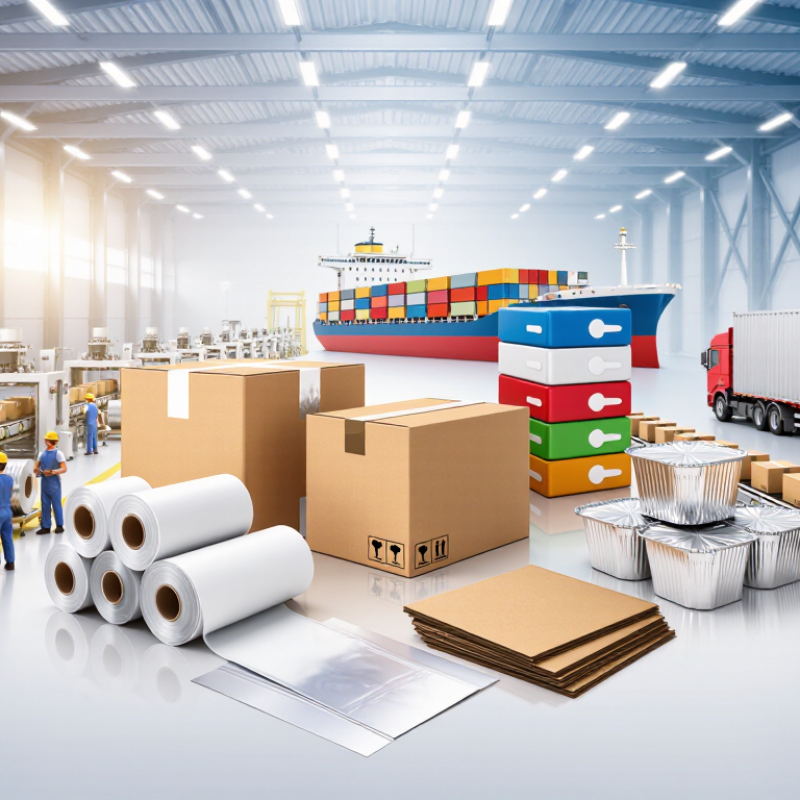
What Affects Packaging Production Costs in China?

Packaging Material Selection and Its Effect on Production Costs

Packaging material selection often sets the cost structure before production begins in China. Paperboard may reduce shipping weight, while thicker grades raise material and forming costs. Corrugated cartons need stronger flute profiles for heavy products. That choice can increase board consumption and warehouse space. Plastic film may offer moisture resistance, but resin prices and thickness control require close monitoring. Small changes matter.

In factory cost reviews, I check material grade, sheet size, waste rate, and minimum order quantity. A reliable quotation should separate material, tooling, printing, labor, and packing costs. Recycled content can support sustainability goals, but availability and color consistency may vary between suppliers. I have seen a cheaper grade create more rejects during folding. The initial saving disappeared. This is easy to miss when comparing quotations only by unit price. Material testing should include compression, moisture, scuffing, and transport conditions.

Tips: Request samples before approval. Compare equal material specifications. Ask for the expected waste percentage. Review storage conditions, too. A lower-cost material may need better warehouse protection. Recheck the decision after a pilot run. Mistakes become expensive after mass production.

How Package Design Complexity Changes Manufacturing Expenses

What Affects Packaging Production Costs in China?

Package design complexity often changes manufacturing expenses more than material prices. A simple folding carton may need one die, four-color printing, and standard glue. Adding foil stamping, embossing, spot colors, windows, or unusual structures creates extra setup and inspection steps. Each feature can also increase waste during trial production.

China’s National Bureau of Statistics reported 174.5 billion express parcels in 2024. This scale encourages efficient, repeatable packaging formats. However, custom dimensions still require new cutting dies, tooling tests, and packing adjustments. Smithers’ 2024 packaging market forecast expects global demand to exceed US$1.2 trillion by 2028. Such growth increases pressure for faster customization, not necessarily lower unit costs.

In factory quoting, the hidden cost is often changeover time. A metallic finish may require separate production handling. A six-color design can extend calibration and quality checks. Small orders suffer most because tooling costs are divided across fewer units. In one practical review, simplifying a carton from two special finishes to one reduced setup points and shortened approval time. The saving was useful, but not dramatic. We initially underestimated inspection labor.

Designers should provide accurate dielines, color references, material specifications, and realistic tolerances. A beautiful prototype can still run poorly on a high-speed line. Fewer decorative processes usually improve consistency, although excessive simplification may weaken shelf appeal. That trade-off deserves testing before mass production.

What Affects Packaging Production Costs in China?

How package design complexity changes manufacturing expenses

This planning benchmark uses a relative manufacturing cost index, where a standard one-color folding carton is set at 100. Costs typically increase as packaging requires more structural components, printing processes, specialty finishes, manual assembly, and quality-control steps.

The Role of Order Volume in China Packaging Pricing

What Affects Packaging Production Costs in China?

Order volume is often the strongest pricing lever in China packaging production. A small order spreads plate-making, tooling, color matching, and machine setup across fewer units. A larger order distributes these fixed costs more efficiently. The savings can be significant. However, the lowest unit price is not always the lowest total cost.

Smithers’ 2024 packaging market review estimates global packaging demand at more than US$1 trillion annually. This scale supports efficient Chinese supply chains, but material prices still change. Paper, resin, aluminum foil, ink, and energy can move differently. For example, a 10,000-unit carton order may require manual packing and several setup adjustments. A 100,000-unit order can justify automated production and tighter waste control. The factory may offer a lower unit price, but storage and cash-flow pressure increase.

The China Packaging Federation regularly highlights production efficiency and material use as key industry cost factors. Order volume also affects negotiation power. Suppliers may secure better raw-material terms for repeat, predictable orders. Yet a forecast can still be wrong. Excess packaging may occupy a warehouse for months, while insufficient stock can trigger urgent, expensive production. The practical decision should compare unit price, minimum order quantity, storage fees, defect rates, and delivery risk. A carefully staged order often works better than one oversized purchase.

Labor, Machinery, and Factory Location Cost Factors

What Affects Packaging Production Costs in China?

Packaging costs in China depend heavily on labor, machinery, and factory location. These factors often interact.

Labor rates vary between coastal manufacturing hubs and inland cities. Skilled operators cost more, but they can reduce defects and setup delays. A lower hourly wage may create higher inspection and rework costs. Overtime also matters during seasonal demand. Factories with stable teams usually deliver more consistent quality. Still, labor estimates can be imperfect when orders change frequently.

Machinery affects both unit pricing and production speed. Modern automated lines may require higher investment, maintenance, and technical support. Older equipment can reduce initial costs, yet it may consume more material and increase downtime. Tooling charges also influence small orders. A factory producing complex folding structures may need custom dies, extra testing, and longer setup periods. These details should appear clearly in the quotation.

Tips: Compare total production cost, not only the labor rate. Ask for machine capacity, maintenance records, tooling fees, and expected waste. Request a small production trial when possible. Visit the facility, or arrange a documented remote inspection. Location affects rent, wages, transport, utilities, and supplier access. A coastal factory may offer faster shipping, while an inland site may provide lower operating costs. The “cheaper” option is not always cheaper. Recheck the figures after packaging specifications change.

Shipping, Quality Control, and Compliance Costs in China

What Affects Packaging Production Costs in China?

Shipping, quality control, and compliance often change packaging costs more than the factory quote. Ocean freight may look economical, but port handling, customs clearance, and inland delivery add separate charges. A shipment from an inland factory can also require extra trucking before export. Urgent orders usually increase costs sharply. Air freight is faster, but rarely efficient for bulky cartons or molded packaging.

Quality control needs a clear budget. Pre-production samples, color checks, drop tests, and final inspections each require time and labor. A small print mismatch can cause rework, delayed loading, or rejected goods. Experienced buyers define acceptable limits before production starts. Still, estimates can be imperfect. Unexpected material variation sometimes appears after approval.

Compliance costs depend on the destination market and packaging type. Buyers may need material declarations, recycling information, chemical testing, labeling, or food-contact documentation. Requirements should be confirmed with qualified testing providers and local regulatory professionals. Using the wrong paper coating or ink can create delays and replacement costs. Cheap packaging is not always cheaper. A practical budget includes testing, documentation, corrective work, and a reasonable contingency.

Tips: Request a complete shipping estimate, not only the factory price. Ask for inspection costs separately. Keep approved samples and written tolerances. Check whether testing fees, export documents, and local delivery are included.

FAQS

How does packaging material selection affect production costs?

Material choice sets costs before production begins. Lightweight paperboard can reduce shipping weight. Thicker grades increase forming and material expenses. Small changes matter.

Why should buyers compare material specifications, not only unit prices?

A cheaper grade may create folding rejects and rework. The first saving can disappear quickly. I have seen this happen. Unit price alone misleads.

What packaging tests should be completed before mass production?

Test compression, moisture resistance, scuffing, folding, and transport performance. Request samples before approval. A pilot run can reveal hidden weaknesses.

How does order volume influence packaging pricing?

Larger orders spread tooling, printing, color matching, and setup costs across more units. Unit prices may fall. Total costs can still rise through storage and cash pressure.

Is placing one very large packaging order always the cheapest choice?

No. Excess cartons may occupy warehouse space for months. Small orders may cost more per unit but reduce waste. A staged order often feels safer.

Which costs may be missing from a factory packaging quotation?

Check material, tooling, printing, labor, packing, inspection, testing, documents, and local delivery. Ask for separate charges. A simple quote may hide important expenses.

How can shipping choices change the final packaging cost?

Ocean freight may require port handling, customs clearance, and inland trucking. Air freight is faster but often costly for bulky cartons. Urgent orders become expensive.

What quality control steps help prevent packaging delays?

Keep approved samples and written tolerances. Review color, dimensions, drop performance, and final packing. Small print differences can cause rework. Estimates are not perfect.

Conclusion

Understanding what factors affect packaging production costs in China is essential for planning an efficient and competitive packaging project. Material selection is a major consideration, as paper, plastic, glass, metal, and sustainable alternatives each have different prices, processing requirements, and waste levels. Package design also influences expenses: complex shapes, special finishes, custom closures, and multiple components usually require additional tooling, production time, and quality checks. Order volume has an important effect as well, since larger quantities can spread setup and tooling costs across more units, while smaller orders may have higher per-unit prices.

Other costs come from labor, machinery, factory location, shipping, quality control, and compliance requirements. Factories in different regions may have different operating expenses, and advanced equipment can improve efficiency while increasing production investment. Freight charges depend on package size, weight, destination, and delivery method. Careful inspections, testing, documentation, and compliance procedures may add to the budget but help ensure consistent quality and smooth market entry.

Madeline

Madeline

Madeline is a dedicated marketing professional with a wealth of expertise in our company's core offerings. With a keen understanding of the industry, she brings a unique perspective to her role, consistently delivering high-quality content that highlights the superior aspects of our products. As......