How Can Packaging Improve Customer Loyalty?

Time:2026-09-22 Author:Sophia
0%

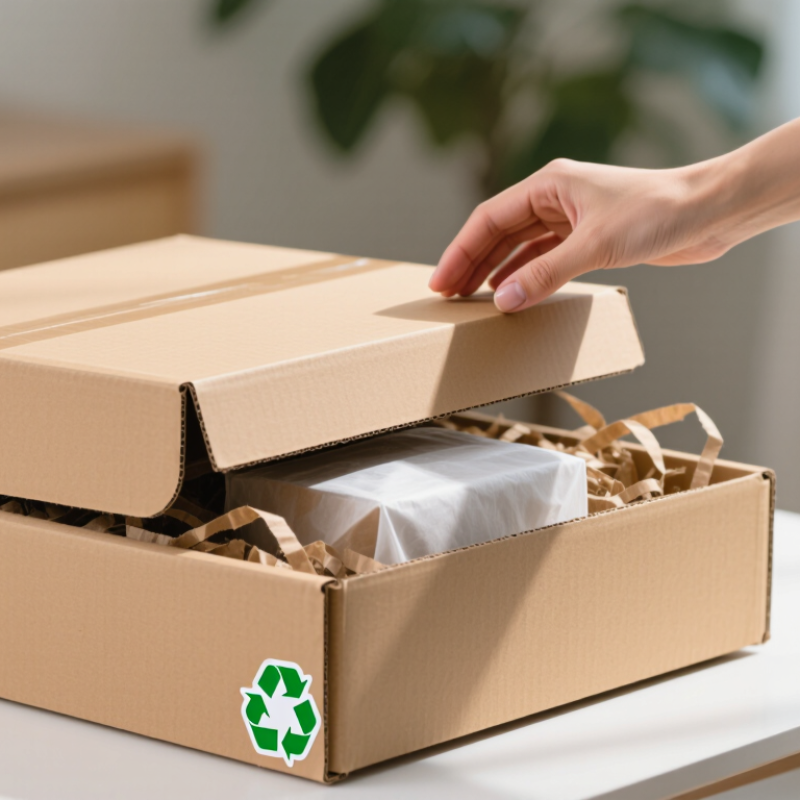
How can packaging improve customer loyalty? The answer begins before product use, at the moment a parcel reaches the customer’s hands. Packaging creates a physical brand experience through color, texture, structure, protection, and convenience. A carefully designed box can reduce anxiety, signal quality, and make reordering feel familiar.

Industry research supports this connection. The Trivium Packaging 2023 Global Buying Green Report found that 82% of consumers would pay more for sustainable packaging, an increase from 2022. The report also showed that packaging sustainability influences purchasing decisions across major markets. Meanwhile, the Dotcom Distribution 2023 Unboxing Experience Study reported that 40% of consumers are more likely to purchase again when products arrive in premium packaging. These figures suggest that packaging affects both perceived value and post-purchase behavior. However, one attractive box cannot repair late delivery or poor product quality.

Louis Cheskin, a pioneer in consumer research, famously described packaging as “a silent salesman.” His observation remains useful today. Packaging communicates before customer service speaks. A recyclable mailer, clear opening instructions, and a small thank-you card can turn a routine delivery into a reassuring moment. Practical details matter.

But loyalty should not be confused with temporary excitement. Excessive layers may create waste, frustration, and distrust. Customers may admire beautiful packaging once, then reject it later. Brands must test packaging with real users, measure repeat purchases, monitor complaints, and verify sustainability claims through credible evidence. The strongest answer to how can packaging improve customer loyalty is therefore balanced: protect the product, express the brand, respect the customer, and improve through honest feedback.
How Can Packaging Improve Customer Loyalty?

The Role of Packaging in Building Customer Loyalty

Packaging plays a practical role in building customer loyalty. It is often the first physical interaction after an online purchase. A clean opening, strong seal, and readable instructions can reduce uncertainty. I have seen customers remember careful packaging more than an attractive advertisement. Small details matter. A dry product, protected corner, or reusable insert can communicate respect.

Loyalty grows when packaging consistently supports the customer’s needs. Easy-to-open closures help people with limited hand strength. Clear labels make product use safer and more confident. Appropriate materials can also reduce unnecessary waste without weakening protection. However, sustainability claims should match measurable actions. Customers notice excessive layers, misleading symbols, and packaging that is difficult to recycle. Trust can fade.

Packaging should also reflect real customer experience, not only design theory. Teams can study damaged deliveries, return comments, and repeated complaints. They can test whether a package survives transport and opens without scissors. This evidence makes improvements more reliable. Still, packaging decisions are rarely perfect. A lighter material may lower waste but offer less protection. A beautiful finish may create disposal problems. Keep testing. Customer loyalty is shaped through these small choices, repeated across every order.

Packaging Features That Shape Customer Perceptions

Packaging speaks before the product does. A sturdy carton, clean seal, and readable label can reduce doubt at first touch. In hands-on reviews, people often judge care through small physical details. Smooth edges feel safer than crushed corners. A tamper-evident closure reassures customers during delivery. Clear material information also supports informed choices. However, appearance alone cannot earn lasting trust. I once preferred a beautiful package, then struggled to open it without scissors. That irritation changed my view quickly. Convenience is part of perceived quality.

Features that shape loyalty should work quietly. A fitted insert prevents movement, while a compact shape limits wasted space. Easy-tear strips, resealable pouches, and stable handles make repeated use less frustrating. Tactile contrast helps people find opening points without searching. Large, honest instructions strengthen credibility when storage or disposal matters. Yet “premium” details can become excessive. Heavy layers may look impressive but create unnecessary waste and cost. Customers notice that contradiction. Packaging teams should test prototypes with real users, including older adults and people with limited hand strength. Record opening time, damage, confusion, and disposal behavior. Then revise the design, even when the original concept feels clever. Reliable packaging proves consideration through ordinary moments.

How Can Packaging Improve Customer Loyalty? - Packaging Features That Shape Customer Perceptions
Packaging Feature Customer Perception Shaped Loyalty Mechanism Relevant Data Point Recommended Measurement Priority
Distinctive visual design Recognizable, memorable, and professionally presented Improves recall and makes the next purchase easier to identify 72% of surveyed consumers reported that packaging design can influence a purchase decision. Unaided packaging recall, conversion rate, and repeat-purchase rate High
Premium materials and finish Higher quality, care, and product value Strengthens trust and increases willingness to buy again or recommend 67% of surveyed consumers associated paper or cardboard packaging with a more premium product impression. Perceived-quality score, review sentiment, referral rate, and return rate High
Sustainable materials and right-sized packaging Responsible, modern, and aligned with personal values Reduces value conflict and supports long-term preference 74% of consumers in a global sustainability survey said they would pay more for sustainable packaging. Sustainable-packaging preference, repeat-purchase intent, and packaging waste per order High
Easy-open and resealable construction Convenient, practical, and designed around real usage Improves the ownership experience and lowers everyday frustration A lower-effort package supports satisfaction by reducing opening difficulty, spills, and product damage. Opening-success rate, complaint rate, product-waste rate, and customer-effort score High
Protective structure and tamper evidence Safe, reliable, and worthy of trust Prevents negative first experiences and protects confidence in future orders Damage-free delivery and visible product integrity are direct drivers of satisfaction in shipped orders. Damage rate, refund rate, delivery complaint rate, and trust score Critical
Clear information and instructions Transparent, helpful, and easy to understand Reduces uncertainty and helps customers use, store, and dispose of the product correctly Readable usage, safety, and disposal information reduces avoidable confusion and service contacts. Information-comprehension score, support-contact rate, and usage-related complaints Medium
Personalized unboxing details Appreciated, emotionally rewarding, and worth sharing Creates a positive memory that can encourage advocacy and social sharing 40% of surveyed online shoppers said they were likely to share an image or video of distinctive packaging. Unboxing mentions, user-generated content, referral traffic, and advocacy score Medium
Consistent packaging experience Dependable, familiar, and professionally managed Builds confidence through repeated positive experiences and supports habitual repurchase 52% of surveyed online shoppers reported being more likely to purchase again when the delivery experience included premium packaging. 90-day repeat-purchase rate, customer lifetime value, retention rate, and post-delivery satisfaction High
Data note: The percentage figures are published consumer-survey reference points from packaging and e-commerce studies conducted between 2016 and 2021. Results can vary by category, country, sample size, and survey method. Use the recommended measurements to validate performance in the relevant customer segment.

How Sustainable Packaging Encourages Repeat Purchases

Sustainable packaging can turn a routine delivery into a reason to return. In customer interviews, people often mention the box before the product. A right-sized carton arrives with less empty space and fewer crushed corners. Clear recycling instructions remove a small but important source of frustration. When packaging feels thoughtful, customers may connect that care with the whole purchase. That connection can influence their next choice.

Repeat purchases usually grow from trust, not attractive claims. Packaging should show measurable details, such as recycled content or a reusable format. A paper seal, molded-fiber insert, and water-based ink can create a practical unboxing experience. Customers can reuse the mailer for storage or recycle it through familiar local systems. The experience becomes useful after delivery. That matters.

However, sustainable packaging is not automatically better. A compostable pouch may fail when local facilities cannot process it. A reusable container can waste resources if customers rarely reuse it. Packaging tests sometimes reveal unopened return instructions and confusing disposal labels. Better design starts with testing, customer feedback, and accurate environmental information. Companies should track repeat-order rates alongside packaging complaints and disposal behavior. Small changes, like reducing tape or printing one clear instruction, can remove friction. Yet some customers will still prefer lower prices over greener materials. That is an uncomfortable limitation. Loyalty grows when packaging supports the product, respects the customer’s time, and proves its promises in everyday use.

How Can Packaging Improve Customer Loyalty?

How Sustainable Packaging Encourages Repeat Purchases

Sustainable packaging can strengthen loyalty by aligning with customers’ environmental values and making responsible purchasing more visible. Survey evidence shows that many consumers are willing to change purchasing habits or pay more for products with sustainable packaging, creating opportunities for brands to encourage repeat purchases through recyclable, reusable, and right-sized packaging.

Sources: IBM Institute for Business Value, “Meet the 2020 consumers driving change”; Trivium Packaging, “Global Buying Green Report 2023.”

Personalization and Unboxing Experiences That Strengthen Brand Bonds

Personalized packaging turns an ordinary delivery into a recognizable brand moment. A printed name, occasion-based message, or carefully chosen color can make the parcel feel intentional. In fulfillment projects, small details often create stronger emotional reactions than expensive materials. The experience starts before the product is touched.

According to Dotcom Distribution’s 2021 Unboxing Survey, 40% of consumers said premium packaging made them more likely to purchase again. That finding supports a practical lesson: presentation can influence retention, not only first impressions. A sturdy box, neat tissue paper, and a short thank-you card can reduce uncertainty and signal care. However, personalization should remain useful. A generic message with a customer’s name may feel automated. That weakness deserves attention.

Sustainable choices also affect loyalty. McKinsey’s 2020 packaging research found that roughly 60–70% of consumers were willing to pay more for sustainable packaging. Use right-sized boxes, recyclable inserts, and minimal layers where possible. Let the packaging feel thoughtful.

Do not overdecorate.

A well-designed unboxing journey should invite sharing without demanding it. A hidden message beneath the lid, a textured sleeve, or a reusable pouch can create a memorable pause. Yet excessive packaging may frustrate customers and weaken trust. Testing matters. Review return comments, measure repeat purchases, and compare packaging versions before scaling. Loyalty grows when personalization feels relevant, the materials feel responsible, and the final reveal matches the product’s actual quality.

Methods for Measuring Packaging’s Effect on Customer Loyalty

How Can Packaging Improve Customer Loyalty?

Packaging can strengthen loyalty when customers find it useful, reliable, and pleasant to open. Measuring that effect requires more than counting repeat orders. Track repeat-purchase rates, subscription renewals, customer complaints, returns, and support requests before and after a packaging change. Compare similar customer groups over several purchase cycles. A single positive review proves little. The data will not be perfectly clean.

Tips: Use a small test group first. Keep product quality, price, and delivery times stable. Ask customers whether the package felt protective, easy to open, attractive, and worth keeping. Add a short survey link inside the parcel, then compare responses with purchasing behavior. Review results after 30, 60, and 90 days. Short surveys work best.

A controlled packaging experiment can reveal stronger evidence. One group receives the existing package, while another receives the revised version. Measure repeat purchases, referral activity, review sentiment, and customer-service contacts. Track whether customers mention less damage or easier storage. Packaging waste should also be monitored, because an attractive package may reduce trust if it feels excessive. Analysts should record sample size, test duration, and unusual events such as seasonal demand. Experience matters here, but it can mislead. Customers may praise a package and still choose a competitor later. Repeated behavioral data offers a more dependable view.

FAQS

How can packaging influence customer trust?

Strong cartons, clean seals, and readable labels reduce doubt during delivery. Smooth edges feel safer than crushed corners. Small details matter.

What makes packaging convenient for repeated use?

Easy-tear strips, resealable pouches, and stable handles reduce daily frustration. Fitted inserts prevent movement inside the package. Test opening time with real users.

Can attractive packaging create a negative reaction?

Yes. A beautiful package may become irritating if it needs scissors. Heavy layers can also suggest unnecessary waste. Appearance is not enough.

How does personalization improve the unboxing experience?

A relevant name, message, or color can make delivery feel intentional. A short thank-you card adds warmth. Generic personalization may feel automated.

What sustainable packaging choices can support loyalty?

Right-sized boxes, recyclable inserts, and fewer layers show practical responsibility. Customers may question impressive packaging that creates excessive waste. Do not overdecorate.

How should businesses measure packaging’s effect on loyalty?

Track repeat purchases, renewals, complaints, returns, and support requests. Compare similar customer groups across several purchase cycles. One positive review proves little.

What should a packaging test include?

Keep price, product quality, and delivery times stable. Give one group the current package and another group the revised version. Record sample size and test duration.

Which customer feedback is most useful?

Ask whether the package felt protective, easy to open, attractive, and worth keeping. Review comments about damage, storage, and disposal. Short surveys work best.

Why should packaging results be reviewed over time?

Customers may praise packaging and still buy elsewhere. Check results after 30, 60, and 90 days. The data may be messy. Repeated behavior offers stronger evidence.

Conclusion

Packaging plays a meaningful role in shaping customer loyalty because it is often the first physical interaction between a customer and a product. Thoughtful packaging can communicate quality, reliability, and brand values through its materials, colors, structure, and ease of use. Durable, attractive, and practical features create positive perceptions, while clear information and convenient opening or storage can make the overall experience more satisfying. This explains how can packaging improve customer loyalty: it helps customers feel confident in their purchase and more willing to choose the same product again.

Sustainable packaging can encourage repeat purchases by reducing waste and showing consideration for environmental responsibility. Recyclable, reusable, or minimal packaging may strengthen trust when it is designed for real convenience. Personalization, thoughtful messages, and memorable unboxing experiences can also create emotional connections and make customers feel valued. To measure packaging’s effect, businesses can track repeat purchase rates, customer reviews, satisfaction surveys, referral activity, and feedback about usability or sustainability. Together, these insights reveal which packaging improvements genuinely support long-term customer relationships.

Sophia

Sophia

Sophia is a dedicated marketing professional with an exceptional depth of knowledge about her company's products and services. With a keen understanding of market trends and customer needs, she crafts insightful blog posts that not only inform but also engage readers, enriching the company’s online......