What are the Latest Packaging Design Trends for 2026?

Time:2026-08-08 Author:Amelia
0%

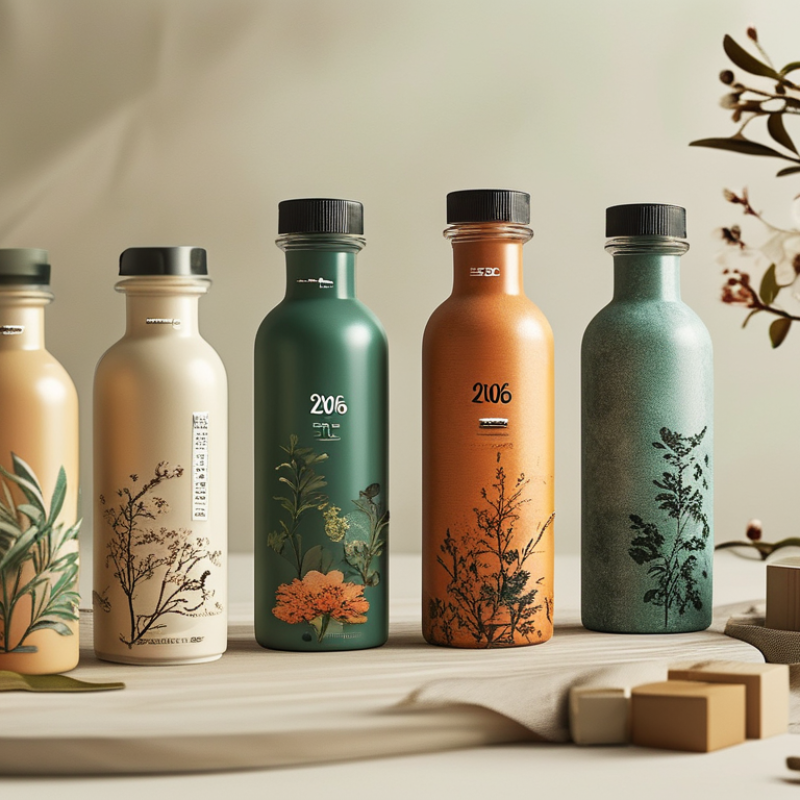
In the fast-evolving world of packaging design, staying ahead of trends is crucial. As we look to 2026, many businesses wonder: what are the latest packaging design trends? This inquiry is not just about aesthetics. It reflects a deeper understanding of consumer preferences. Sustainable choices are gaining momentum. Brands are focusing on eco-friendly materials. This shift is not merely a trend; it represents a commitment to environmental responsibility.

Another trend emerging is minimalism. Simple designs often convey clarity and sophistication. Distracting elements are stripped away to highlight the product itself. Consumers appreciate this focus, as it makes the purchasing decision easier. However, while minimalism appeals to many, it can risk being overlooked in a crowded market. Brands must balance simplicity with standout features.

Finally, interactivity is on the rise. Packaging that engages consumers can create memorable experiences. QR codes, augmented reality features, and sensory elements are becoming more common. These innovations offer fun, but they can also complicate the unboxing experience. Understanding consumer needs will guide these developments. As we explore 2026, we must reflect on the impact of these trends on both consumers and brands.
What are the Latest Packaging Design Trends for 2026?

Emerging Sustainability Practices in Packaging Design for 2026

The packaging design landscape is rapidly evolving. Emerging sustainability practices for 2026 focus on eco-friendly materials and innovative designs. Brands are increasingly opting for biodegradable and recyclable options. This shift reflects a growing consumer preference for environmentally responsible products.

Minimalist designs are gaining traction, emphasizing simplicity and functionality. Brands are exploring alternative materials, such as plant-based plastics and natural fibers. These choices reduce waste and lower carbon footprints. However, there are challenges. Finding cost-effective sustainable materials remains a hurdle.

Moreover, effective education on these practices is crucial for both brands and consumers. Many still lack awareness of sustainable options. Transparency in sourcing and production processes is vital. It builds trust between consumers and brands. In this evolving market, collaboration among designers, manufacturers, and consumers will be key to driving change and innovation in packaging sustainability.

Innovative Use of Technology in Packaging Design Trends for 2026

As we approach 2026, the landscape of packaging design is set to evolve significantly. Technology is not just influencing aesthetics; it’s transforming functionality. Smart packaging, for instance, incorporates sensors that monitor freshness. This creates a direct line of communication between the product and the consumer. Imagine a box that alerts you about the optimal consumption time!

Another trend is sustainability. Companies are starting to use biodegradable materials embedded with QR codes. These codes can lead consumers to recycling tips or product stories. This kind of engagement enhances customer loyalty. It fosters a deeper connection between the product and its user.

Tips: Focus on user interaction. Ensure your packaging speaks to consumers. Make it personal. Consider how technology can enhance their experience. Don’t overlook the balance between tech integration and simplicity. Sometimes, less is more. Strive for clear communication without overwhelming your audience. In 2026, packaging will not just hold products; it will tell stories.

Minimalism and Aesthetic Appeal in 2026 Packaging Solutions

In 2026, packaging design trends emphasize minimalism and aesthetic appeal. This approach not only enhances visual attractiveness but also caters to environmentally conscious consumers. Brands are opting for clean lines, muted colors, and simple typography. These elements create a sense of calm and sophistication. The aim is to convey a brand's identity with clarity, avoiding cluttered designs.

Sustainability is a significant factor driving these trends. Packaging materials that are eco-friendly yet visually appealing are in demand. Consumers appreciate designs that reflect their values. However, balancing aesthetics with sustainability can be challenging. Some brands struggle with sourcing renewable materials while maintaining quality and style.

The trend towards minimalism also reflects a deeper societal desire for simplicity. In a world saturated with information, minimalist packaging offers a retreat. Yet, it raises questions about whether this trend will become too uniform. Can brands truly stand out when many adopt similar approaches? Striking a balance between uniqueness and minimalism remains a critical challenge for designers.

Personalization Trends in Packaging Design for Consumer Engagement

As we look towards 2026, packaging design is increasingly focused on personalization. Consumers crave unique experiences. Recent studies show that 79% of consumers feel more engaged with brands that offer personalized packaging. This trend is driven by the desire for connection. Brands must therefore rethink their packaging strategies to meet this demand.

In addition, technology plays a crucial role in this evolution. With advancements in digital printing, customization is more accessible. Brands can produce smaller batches tailored to local tastes. Data from industry reports suggests that personalized packaging can increase purchase intent by up to 25%. Yet, creating these solutions can be resource-intensive and challenging. Brands face sustainability concerns alongside consumer demands.

Despite these challenges, the potential rewards are significant. Packaging that tells a story deepens consumer involvement. However, companies must avoid overcomplicating design. Clear communication remains essential. A balance must be struck between innovative personalization and functional clarity. This approach will influence consumer choices and long-term loyalty.

Latest Packaging Design Trends for 2026

Integrating Smart Packaging Solutions for Enhanced User Experience in 2026

Smart packaging solutions are redefining user experiences in 2026. These innovations go beyond traditional roles, offering interactive and functional elements. For instance, QR codes can provide detailed product information. Users scan them instantly for freshness dates or usage instructions.

NFC technology is gaining traction. This allows products to communicate directly with smartphones. Imagine a wine bottle that shares its vineyard's story or a skincare jar that reminds you of its shelf life. Such features create a personal connection, enhancing user engagement.

However, challenges persist. Not all consumers have access to smart devices. This limits the reach of high-tech packaging. Environmental concerns also arise; the materials used must balance innovation with sustainability. As brands explore these advanced solutions, they must consider inclusivity and ecological impact. Embracing smart packaging requires continuous reflection and adjustment.

FAQS

: What are the key materials being used in sustainable packaging design?

: Eco-friendly materials like biodegradable options and recyclable materials are becoming popular. Plant-based plastics and natural fibers are common choices.

Why is minimalism important in packaging design?

Minimalist designs emphasize simplicity and functionality. They help reduce waste and carbon footprints effectively.

What is the main challenge in adopting sustainable packaging materials?

Finding cost-effective sustainable materials remains difficult. This can hinder the widespread adoption of eco-friendly practices.

How does consumer awareness impact sustainable packaging?

Many consumers lack awareness of available sustainable options. Effective education is essential for encouraging eco-friendly choices.

How can brands build trust with consumers regarding their packaging?

Transparency in sourcing and production processes is vital. This transparency helps build consumer trust and encourages brand loyalty.

What role does technology play in personalized packaging?

Technology, especially digital printing, makes customization easier. Brands can create tailored packaging for local tastes efficiently.

What are the benefits of personalized packaging?

Personalized packaging increases consumer engagement. It can boost purchase intent by up to 25%, leading to better sales.

What challenges do brands face with personalized packaging?

Personalization can be resource-intensive and may raise sustainability concerns. Balancing both aspects is crucial for brands.

How can storytelling in packaging enhance consumer involvement?

Packaging that tells a story creates deeper connections. It can foster loyalty but must avoid excessive complexity.

Why is clear communication important in packaging design?

Clear communication ensures functional clarity. It helps consumers understand the message without confusion.

Conclusion

As we look ahead to 2026, understanding what are the latest packaging design trends is crucial for brands aiming to stay relevant. Emerging sustainability practices are set to dominate the packaging landscape, with designers focusing on eco-friendly materials and waste reduction strategies. Additionally, the innovative use of technology, such as augmented reality and blockchain, is enhancing the functionality and transparency of packaging.

Minimalism and aesthetic appeal also play a significant role, as consumers increasingly favor simple and elegant designs that convey brand stories effectively. Personalization trends are rising, enabling brands to engage consumers through tailored packaging experiences. Finally, integrating smart packaging solutions is expected to revolutionize the user experience, allowing for real-time interaction and improved product handling. Together, these trends highlight the evolving priorities in packaging design, emphasizing sustainability, aesthetics, and consumer engagement.

Amelia

Amelia

Amelia is a seasoned marketing professional with a wealth of expertise in our company’s core offerings. With an unwavering passion for driving growth and innovation, she plays a pivotal role in shaping our marketing strategies and enhancing brand visibility. A key aspect of her responsibilities......