Standing out in a crowded retail environment is essential for brands. As consumers are bombarded with choices, the importance of packaging cannot be overstated. Understanding how to make packaging stand out on retail shelves becomes a crucial endeavor for product visibility. Effective packaging grabs attention, communicates brand values, and ultimately influences purchasing decisions.
Consider the competitive landscape. Brands often prioritize aesthetics, but forget functionality. Great packaging must be more than visually appealing. It should also convey information clearly and efficiently. Using innovative designs can attract consumers, yet the message must remain simple. Assess what resonates with your target audience; sometimes the simplest designs leave a lasting impact.
Reflecting on successful brands, their packaging tells a story. It captures emotions and connects with consumers. Yet, some brands fall into the trap of overcomplicating their designs. They may include too many details, losing the simplicity that attracts buyers. Embracing a balance between creativity and clarity may lead to stronger retail presence.
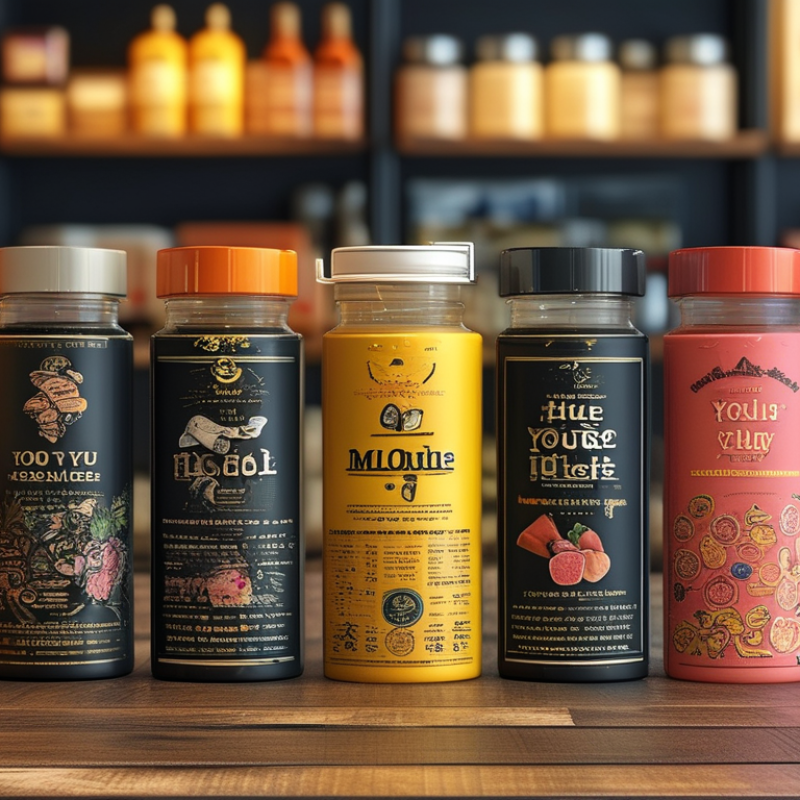
Eye-catching packaging design is crucial for attracting consumers. It serves as the first point of interaction between the product and the shopper. If the packaging does not capture attention, potential sales can be lost. In a crowded retail environment, standing out is not just important; it is essential.
Tips for effective packaging include using vibrant colors. Bright hues can evoke emotions and draw the eye. Consider the shape of the packaging as well. Unique shapes can create intrigue and encourage customers to pick up the product. Remember, material matters too. Sustainable materials can create a positive impression.
Do not overlook typography. The fonts you choose impact readability and brand perception. Ensure the text is clear and legible from a distance. Also, reflect on your design. Is it too complex? Sometimes, simplicity is more effective. An over-complicated package can confuse consumers. Evaluate your design and keep it engaging yet straightforward.
Understanding your target audience is crucial for effective packaging. Recent studies show that over 70% of consumers decide on a purchase based on packaging alone. This statistic highlights the importance of aligning your packaging design with the preferences and values of your audience. Perhaps your audience values sustainability. In this case, using eco-friendly materials can resonate deeply with them.
Consider your audience's demographics, interests, and shopping behaviors. For instance, younger consumers may prefer vibrant colors and bold designs, while older generations might favor simplicity and clarity. Analytics reveal that 56% of customers are more likely to buy products that are visually appealing. Packaging elements like color psychology can engage different age groups effectively.
Tips: Always test your designs with actual consumers. Create focus groups to gather honest feedback. If your packaging isn’t attracting attention, it may lack the emotional connection your audience desires. Revise based on insights. Staying flexible will help you adapt to changing consumer preferences swiftly. Regularly review market trends and adjust your strategies. Making informed decisions can elevate your brand's presence on retail shelves.
In a crowded retail environment, packaging shapes and sizes can significantly influence consumer choices. Unique shapes naturally draw the eye and break the monotony of standard boxes and rectangles. Think of a beverage bottle designed like a raindrop. This innovation stands out on a shelf, beckoning customers to pick it up.
Size also plays a crucial role. Smaller packages can create a sense of novelty and encourage impulse buys. Consider snack-sized versions in playful shapes—these encourage sharing and spark curiosity. However, there is a fine line; overly extravagant shapes might lead to confusion about the product inside. Packages must remain functional and communicate the brand message effectively.
Reflecting on packaging design is vital. It’s essential to balance aesthetics with usability. Some designs may look appealing but can be challenging to open or store. Feedback from customers can reveal these oversights. A beautifully crafted package that frustrates users can lead to negative brand perception. Engaging with your audience and refining your designs is key to standing out while remaining user-friendly.
Color psychology plays a crucial role in packaging design. Research shows that about 85% of consumers make purchasing decisions based on color. The right colors can evoke emotions and influence consumer behavior significantly. For instance, blue is often associated with trust and security, making it popular in products aimed at instilling reliability. Conversely, red can trigger excitement and urgency, driving immediate purchases.
Packaging that incorporates contrasting colors can capture attention quickly. A study from the University of Loyola found that color increases brand recognition by up to 80%. Yet, not all brands effectively use this strategy. Some may stick to dull colors or fail to consider their target audience's preferences. It’s essential to align color choices with consumer feelings and expectations.
Additionally, understanding cultural differences in color perception can be beneficial. For instance, white signifies purity in Western cultures, but in some Eastern cultures, it represents mourning. Ignoring these nuances can alienate potential customers. The challenge lies in striking the right balance between creativity and market research. Brands must continually assess consumer reactions to their color choices to remain relevant and appealing.
| Color | Psychological Impact | Common Usage | Target Audience |
|---|---|---|---|
| Red | Stimulates excitement and appetite | Food products, clearance sales | Young adults, impulse buyers |
| Blue | Conveys trust and dependability | Financial services, health products | Adults, professionals |
| Green | Represents sustainability and health | Organic products, eco-friendly brands | Health-conscious consumers |
| Yellow | Evokes happiness and energy | Toys, children's products | Children and parents |
| Black | Suggests luxury and sophistication | High-end products, fashion | Affluent consumers |
Sustainable packaging is gaining importance in the retail landscape. Consumers are increasingly aware of environmental issues. They seek products that reflect their values. Using sustainable materials can enhance your packaging's appeal. Consider biodegradable plastics, recycled paper, and natural fibers. These options attract eco-conscious shoppers. They convey a brand's commitment to sustainability.
It's essential to make informed choices. Not all sustainable materials are created equal. Some may be misleading in their claims. Research the environmental impact of each option. Collaborate with suppliers who practice transparency. A thoughtful approach in material selection can lead to genuine consumer trust.
Visual elements also matter. Earthy tones and minimalistic designs can create an impression of eco-friendliness. Clear messaging about sustainability features will engage customers. Packaging should not just look good; it should communicate value. Balancing aesthetic appeal and genuine sustainability is tricky but rewarding.
: Around 85% of consumers make choices based on color. The right colors evoke emotions effectively.
Blue is linked to trust and security. It’s often used to promote reliability in products.
Contrasting colors grab attention quickly. Research shows color can boost brand recognition by up to 80%.
Sticking to dull colors can confuse consumers. Failing to meet expectations may lead to lost sales.
Colors like white can hold different meanings across cultures. Understanding these can prevent alienation of customers.
Options include biodegradable plastics and recycled paper. These materials appeal to eco-conscious consumers.
Not all sustainable options are equal. Research their environmental impact before choosing.
Clear messages engage customers. Packaging should communicate the value of sustainability effectively.
Earthy tones and minimal designs suggest eco-friendliness. This combination can attract more buyers.
Balancing aesthetics with sustainability is tricky. Continuous assessment of consumer reactions is crucial.
Creating packaging that stands out on retail shelves is essential in attracting consumers and driving sales. First, it’s important to understand the significance of eye-catching design. Tailoring packaging choices to your target audience can enhance engagement and brand loyalty. Unique shapes and sizes can break the monotony of traditional packaging, drawing attention and encouraging consumers to pick up the product.
Moreover, utilizing color psychology can profoundly influence consumer behavior, as certain colors evoke specific emotions and associations. Lastly, leveraging sustainable materials not only appeals to environmentally conscious buyers but also aligns with modern consumer values. By incorporating these strategies, brands can effectively learn how to make packaging stand out on retail shelves and ultimately enhance their market presence.

Nerd Package