In 2026, the packaging landscape is evolving rapidly. Companies are realizing that packaging plays a crucial role in shaping the customer experience. Expert packaging designer Emily Chen once stated, “The unboxing moment is as important as the product itself.” This emphasizes how packaging influences customer experience.
Custom packaging enhances brand identity and builds emotional connections. Bright colors, unique designs, and eco-friendly materials attract customers. The tactile experience of unboxing can create excitement and anticipation. For many consumers, this moment can lead to brand loyalty.
Yet, it’s essential to consider the downside. Overly complicated packaging can frustrate customers. Excessive waste can lead to negative perceptions. Businesses must find a balance between aesthetics and functionality. The question remains: how does packaging influence customer experience effectively? Companies need to continuously adapt to changing consumer preferences.
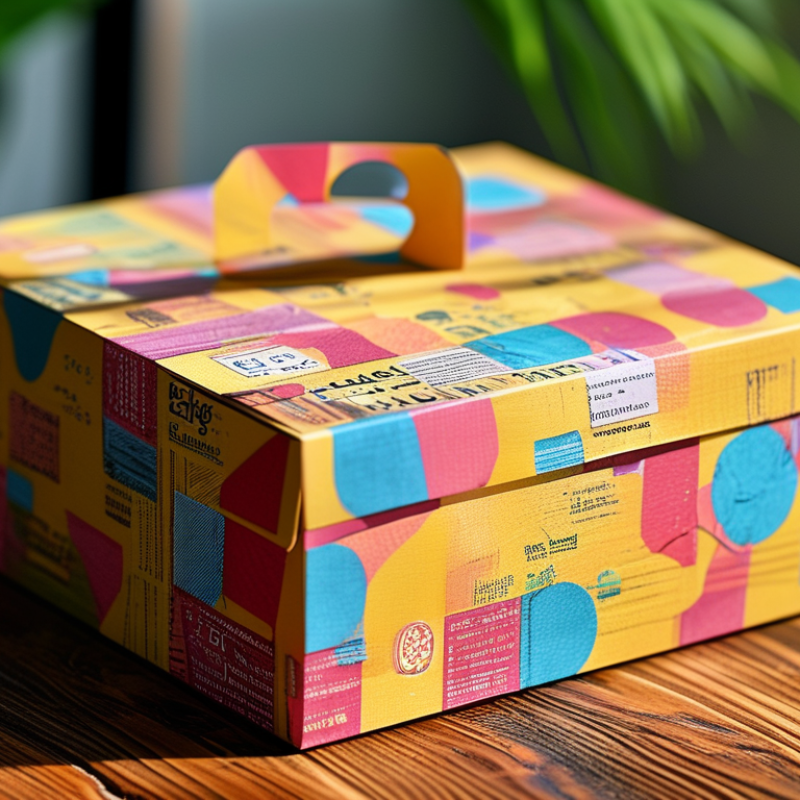
The Evolution of Packaging Design Trends in 2026
In 2026, packaging design continues to evolve at a rapid pace. Sustainable materials have become the norm, reflecting a growing consumer preference for eco-friendliness. Brands are now opting for biodegradable options to resonate with environmentally conscious shoppers. This shift not only minimizes waste but also enhances brand loyalty. Customers appreciate when companies invest in solutions that protect the planet.
Minimalistic designs are gaining popularity. Simplified packaging allows for clear messaging and bright colors that catch the eye. This trend can create instant recognition and often evokes emotional responses. However, brands must balance aesthetics with functionality. Overly complex designs might confuse consumers or frustrate them with difficult openings.
The rise of personalization is reshaping packaging too. Custom designs cater to individual preferences, enhancing the customer experience. Yet, it raises questions about production costs and scalability. Some brands struggle to find the balance between personalization and efficiency in mass production. In this dynamic landscape, packaging is not just a protective layer; it’s a vital touchpoint to connect with customers.
How Does Packaging Impact Customer Experience in 2026? - The Evolution of Packaging Design Trends in 2026
| Dimension |
Trend |
Impact on Customer Experience |
| Sustainability |
Eco-friendly Materials |
Increased customer loyalty and positive brand perception |
| Aesthetics |
Minimalist Design |
Enhanced visual appeal leading to emotional connection |
| Functionality |
Interactive Packaging |
Improved user engagement through QR codes and AR features |
| Personalization |
Custom Packaging Solutions |
Greater customer satisfaction and perceived value |
| Technology |
Smart Packaging |
Increased convenience and safety for consumers |
How Sustainable Packaging Influences Customer Loyalty and Brand Image
Sustainable packaging plays a crucial role in shaping customer loyalty and brand image. According to a recent report by Nielsen, 73% of global consumers are willing to change their consumption habits to reduce environmental impact. This trend strongly influences purchasing decisions. A brand’s commitment to sustainability can create a positive perception, enhancing trust among consumers.
Brands that adopt eco-friendly packaging often see improved customer loyalty. Research by Statista indicates that 61% of consumers prefer to buy from brands that utilize sustainable materials. This demonstrates a clear link between sustainability efforts and customer engagement. However, not all sustainable packaging options are equally effective. Companies must consider material sourcing, recyclability, and actual environmental impact.
Tips: Always prioritize transparency. Share information about sourcing and production methods to build trust. Educate your customers about the benefits of your sustainable choices. Engaging storytelling can foster a deeper connection. It’s essential to reflect on the balance between aesthetics and functionality. Packaging should protect the product while still being user-friendly and environmentally sound.
Impact of Sustainable Packaging on Customer Loyalty in 2026
The Role of Packaging Technology in Enhancing User Engagement
In 2026, packaging technology plays a crucial role in enhancing user engagement. Modern consumers expect more than just functional packaging. They seek experiences that resonate with their values and lifestyles. Smart packaging, with embedded RFID chips, offers unique benefits. For example, it can provide real-time product information. This transparency builds trust, fostering a deeper connection between brands and consumers.
Creativity in packaging design also boosts user engagement. Sustainable materials attract environmentally-conscious customers. Biodegradable packaging not only helps the planet but also tells a brand’s story. Bright colors and artistic designs can create an emotional connection. However, brands must avoid excessive wasteful packaging. Finding the balance between eye-catching aesthetics and sustainability remains a challenge.
Packaging technology continues to evolve, but not without drawbacks. Some innovations can be costly, impacting bottom lines. Furthermore, complex packaging may confuse customers rather than engage them. Simplicity is key; consumers may prefer straightforward solutions. Reflecting on these factors can lead to smarter, more effective packaging strategies that truly enhance customer experiences.
Consumer Perception of Packaging Aesthetics and Functionality in 2026
In 2026, consumer perception of packaging is increasingly influenced by both
aesthetics and
functionality. Research indicates that
72% of consumers view packaging
as a critical factor in their purchasing decisions. This statistic highlights the
growing importance of how a product is presented, not just its contents. Clean, modern designs
often attract consumers. Intricate graphics may also communicate
quality and
value.
Additionally, functionality plays a key role. According to a recent report,
65% of shoppers prefer
eco-friendly packaging that is easy to open and reseal. This means brands must consider
sustainable materials while ensuring
usability. Yet, some products still fall short in this regard, leading to
frustration among consumers. They may abandon a
product due to confusing packaging.
In the realm of aesthetics, there is a fine line to walk. Overly complex designs can alienate
some shoppers. A study found that
48% of consumers prefer
minimalistic styles. Balancing creativity
with clarity remains a significant challenge. Companies must continuously evaluate their packaging
strategies to align with evolving consumer expectations. The
packaging landscape is dynamic, and brands
must respond to feedback regularly.
The Impact of Augmented Reality on Packaging and Customer Interaction
Augmented reality (AR) is changing the way customers interact with packaging. In 2026, brands are using AR to bridge the gap between physical products and digital experiences. Customers scan QR codes to access immersive content. This makes packaging feel more like a gateway than an afterthought. For example, a cereal box could display nutritional facts, recipe ideas, and games.
This technology can enhance user engagement significantly. However, not all AR experiences are effective. Poor interface design or slow loading times can frustrate users. Brands must ensure smooth functionality. A seamless experience keeps customers returning. Yet, there's a fine line between innovation and complexity. Sometimes, too much information overwhelms buyers.
Visual storytelling is vital in AR packaging. It helps customers connect emotionally with products. They begin to see the brand as trustworthy. When customers feel involved, they care more about their choices. But brands should be cautious. Over-reliance on technology may detract from the physical product. Balancing tradition and innovation is key to successful packaging in 2026.
FAQS
: Packaging technology enhances engagement by offering experiences that resonate with consumer values and lifestyles.
Smart packaging provides real-time product information, building trust and creating deeper brand connections.
Sustainable materials attract environmentally-conscious consumers and tell a brand's story about responsibility.
Bright colors and artistic designs create emotional connections but must balance sustainability.
Innovations can be costly and may confuse customers if they are too complex.
AR bridges physical products and digital experiences, making packaging more engaging and informative.
Poor interface design or slow loading times can lead to frustration and disengagement.
Simplicity is key; consumers prefer straightforward solutions over complex packaging.
Brands should balance visual storytelling with keeping their physical product appealing and straightforward.
They should limit information, as too much can confuse and distract buyers from their choices.
Conclusion
In 2026, packaging plays a crucial role in shaping customer experience, addressing both aesthetic appeal and functional design. The evolution of packaging design trends reflects a growing emphasis on sustainability, significantly influencing customer loyalty and brand image. As businesses adopt eco-friendly materials, consumers increasingly favor brands that prioritize environmental responsibility.
Additionally, advances in packaging technology enhance user engagement, offering interactive features that create memorable connections. A notable example of this is the integration of augmented reality, which transforms the packaging into an interactive experience, allowing customers to engage with products beyond traditional means. In summary, the question of how does packaging influence customer experience is answered through its multifaceted role in aesthetic value, sustainability, and innovative interaction, ultimately driving consumer satisfaction and brand loyalty.

 Nerd Package