Global buyers rarely judge packaging by appearance alone. They examine protection, shelf impact, traceability, and consistency across shipments. Printed packaging brings these needs together through controlled colors, clear product information, and recognizable brand elements. A carton with a crisp logo and readable instructions can build confidence before opening. That confidence matters when buyers compare unfamiliar suppliers across borders. In practical sourcing work, packaging often becomes the first physical proof of a manufacturer’s care. Still, printed packaging is not automatically the best choice for every product.
So, what are the advantages of printed packaging when products travel through several markets? Custom graphics can support brand recognition, reduce labeling confusion, and present handling details more clearly. High-quality printing also helps buyers identify variants quickly in warehouses, stores, and distribution centers. Durable materials and suitable inks can protect the printed surface from scuffs, moisture, and repeated handling. These results depend on accurate artwork, tested substrates, and dependable production controls. A beautiful sample means little if delivered cartons show blurred text or inconsistent color.
Global purchasing teams should assess packaging with evidence, not promises. They can request pre-production samples, check print tolerances, and confirm required product information for each destination. Environmental claims deserve the same scrutiny. Recyclable structures, reduced material use, and responsible ink choices should be verified. There are trade-offs. Complex printing may increase setup costs, minimum order quantities, or lead times. Yet thoughtful printed packaging can make products easier to recognize, handle, and trust worldwide. The strongest approach balances visual appeal with performance, compliance, and honest supplier communication. That balance is easy to underestimate.
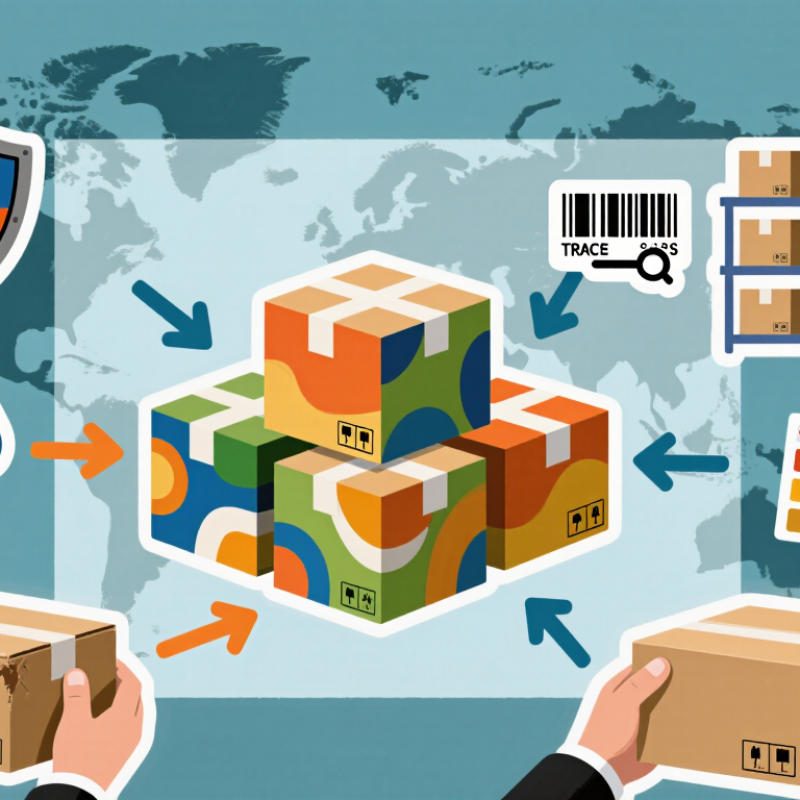
Printed packaging is more than a protective outer layer in global trade. It communicates product identity, handling guidance, origin details, and usage instructions across language barriers. UNCTAD’s Review of Maritime Transport 2023 reports that ships carry over 80% of global merchandise trade by volume. Packaging may face weeks of humidity, vibration, stacking, and repeated handling.
Printed packaging gives buyers a consistent visual and practical reference. Clear symbols can reduce warehouse mistakes. Durable inks can preserve key information during transport. Smithers’ The Future of Digital Print for Packaging to 2028 forecasts digital packaging print growth from about 22 billion dollars in 2022 to 36.9 billion dollars by 2028. This growth reflects demand for shorter runs, regional versions, and faster customization. However, print is not automatically better. A bright carton can still use weak board. Color matching can also drift between suppliers. That weakness deserves attention.
Tips: Request press proofs before mass production. Test cartons under humidity and compression. Keep text readable at a glance. Check translations with qualified reviewers. Use standardized handling symbols where appropriate. Leave space for changing logistics information. A small print error can create expensive confusion.
In export packaging reviews, teams sometimes focus on appearance first. That is understandable, but incomplete. The most useful design balances shelf impact, traceability, durability, and local clarity. Naked assumptions are risky.
Printed packaging gives global buyers more than visual appeal. It creates a protective barrier around the product. A rigid carton can resist crushing during stacking. A coated surface can reduce moisture damage in humid ports. Clear handling icons also help warehouse teams move packages correctly.
The OECD’s Global Plastics Outlook reports that packaging created about 40% of global plastic waste in 2019. This figure makes material choice important, not decorative. Lightweight structures, recyclable boards, and right-sized cartons can reduce unnecessary volume. However, reduced material may weaken protection. Testing matters. Drop tests, compression checks, and humidity trials reveal failures before shipment. A box that looks strong may split at a glued corner.
Printed details also improve presentation and trust. Accurate colors, sharp product images, and readable instructions help buyers understand the product quickly. The World Packaging Organisation’s 2024 global trends report highlights packaging’s role in communication, convenience, and product safety. Those functions become critical when buyers cannot inspect goods physically. Consistent printing supports recognition across languages and markets. Small details matter, such as a scannable barcode, tamper evidence, and clear storage guidance.
Smithers estimates the global packaging market could approach 1.2 trillion dollars by 2028. More shipments mean more pressure on packaging performance. Yet attractive printing cannot repair poor structural design. Ink is not magic. A slightly imperfect package may still perform better when its material, fit, and testing are right. Feedback from damaged deliveries should guide the next design revision.
Why Is Printed Packaging Better for Global Buyers? Custom printing gives packaging a recognizable voice before customers read the product details. Consistent colors, typography, and symbols help buyers identify the same product across different markets. Marq’s 2021 State of Brand Consistency report found that consistent brand presentation can increase revenue by up to 33%. Packaging cannot create trust alone. It can, however, reinforce trust during a crowded retail or online purchase.
Global buyers also notice physical details. A sharp logo, readable instructions, and accurate color matching can make a carton feel controlled and professional. Smithers’ The Future of Global Packaging to 2028 estimates that the worldwide packaging market will exceed 1.2 trillion US dollars by 2028. That scale creates more competition for attention. Custom printing helps a package remain visible on a warehouse shelf, inside a delivery box, or in a customer’s video.
Small mistakes still matter. A color may shift under different lighting. A translation may feel unnatural. A glossy coating can hide tiny text. These problems require physical proofs, local language checks, and print testing before large production. Two Sides’ 2023 Trend Tracker also reported strong consumer preference for paper and cardboard packaging, especially when appearance and environmental expectations align. Recognition grows through repeated, reliable details. Not decoration alone.
For global buyers, printed packaging does more than protect a product. It communicates required information before the carton is opened. Clear text can show ingredients, materials, handling instructions, batch details, and origin information. In cross-border projects, these details help teams compare packaging against destination-market requirements. A well-planned print file also reduces relabeling, delays, and avoidable customs questions. Small print errors still matter. One missing symbol can create expensive confusion.
Localization makes compliance practical. Translated instructions should match local language expectations, measurement units, recycling marks, and reading habits. Color, images, and claims may also carry different meanings across regions. Production teams should review artwork with regulatory specialists and native-language proofreaders before printing. They should confirm ink legibility on the actual substrate, not only on a screen. Printed samples often reveal weak contrast or crowded text. I have seen approval schedules slip because a translation was accurate but visually unusable. That lesson deserves attention: linguistic accuracy is not the same as market readiness. Requirements can change, too, so old artwork should never be trusted automatically.
Tips: Keep editable master files and a regional artwork log. List every language, symbol, unit, and approval date. Use batch-based version control. Request a physical proof under normal lighting. Ask local reviewers to check cultural clarity, not only grammar. Build extra time into production; international corrections rarely stay small.
Global buyers should evaluate more than attractive artwork when choosing printed packaging. Material, print quality, compliance, and delivery reliability all affect the final result. Start with the material. Paper, film, and board behave differently during printing, folding, storage, and transport. Ask for food-contact or product-safety documentation when relevant. Confirm that inks, coatings, and adhesives suit the intended use and destination market. A printed surface may look premium, but poor adhesion can cause peeling after humid storage. Small proof runs matter.
Supplier capability matters as much as artwork. Request a physical proof before approving mass production. Review color consistency, barcode clarity, registration, ink adhesion, and cutting accuracy. Digital images hide defects. Ask how the supplier controls different batches and records raw materials. Traceable production records build confidence when problems appear later. Lead times should include proofing, production, inspection, and shipping. Cheap unit pricing often ignores these stages. That assumption is risky.
Packaging also communicates across cultures and regulations. Check labeling rules, recycling marks, language requirements, and restricted claims in each destination country. Requirements differ. Qualified local advisers can verify details that general supplier advice may miss. Test packaging in realistic conditions, including sunlight, humidity, stacking, and temperature changes. Dark inks may lose detail on textured stock. Sustainability claims need clear evidence, not attractive wording. I have seen buyers approve a beautiful sample and regret ignoring warehouse conditions. Printed packaging works best when visual appeal supports measurable performance.
It identifies products and explains handling across language barriers. Ships may face weeks of humidity, vibration, stacking, and repeated handling. Packaging must communicate clearly.
Paper, film, and board behave differently during printing, folding, storage, and transport. Choose material for real conditions, not appearance alone. Looks can mislead.
Yes. Review color, barcodes, ink adhesion, registration, and cutting accuracy. Digital images can hide defects. A small sample saves trouble later.
Test cartons under humidity, compression, sunlight, and temperature changes. Check whether coatings peel or inks lose detail. One test is not enough.
Include readable instructions, origin details, handling symbols, and required destination-market information. Leave space for changing logistics details. Small errors become expensive confusion.
Ask about batch controls, raw-material records, inspection steps, and realistic lead times. Include proofing, production, inspection, and shipping. Cheap pricing may hide delays.
Language, recycling marks, labeling rules, and product claims can differ by destination. Use qualified reviewers and local advisers when details are uncertain. Assumptions are risky.
No. Claims need clear evidence. A bright carton may still use weak board or unsuitable coatings. I would question attractive wording without measurable support.
Printed packaging refers to packaging materials designed with graphics, text, colors, and product information that support products in international trade. It does more than make goods look attractive: clear printing can improve package identification, provide handling guidance, protect product information during transportation, and create a more organized presentation for buyers. The question “what are the advantages of printed packaging” can be answered through its combined benefits in protection, communication, and market appeal.
Custom printing also helps products maintain a consistent visual identity across different countries, making them easier for customers to recognize and remember. It can support international compliance by presenting required information in suitable languages, formats, and units, while allowing designs to be adapted to local cultural expectations. When choosing printed packaging, global buyers should consider material strength, print quality, color consistency, readability, production capacity, sustainability, shipping conditions, and the supplier’s ability to provide reliable customization for different markets.

Nerd Package